Office Cleaning in Modern Workspaces: Why a Clean Office Matters More Than Ever
Office cleaning is more than a routine chore. It is a core part of creating a productive, healthy, and professional workplace. Whether you manage a small startup, a busy corporate floor, or a shared coworking space, office cleaning affects how employees feel, how clients perceive your business, and how efficiently daily operations run. In today’s fast-paced environment, clean offices are not optional; they are essential.
A well-planned office cleaning routine supports hygiene, reduces allergens, improves morale, and helps protect equipment and furnishings from unnecessary wear. It also helps companies maintain a polished image that reflects attention to detail and respect for staff and visitors. From reception areas to conference rooms, every space in the workplace benefits from consistent cleaning practices.
In this article, we’ll explore the value of office cleaning, the key tasks involved, the benefits for businesses, and how to build a cleaning plan that fits modern workplace needs. If you are looking to improve the condition of your workspace, boost cleanliness standards, or understand what professional office cleaning should include, this article will help you make informed decisions.
Understanding Office Cleaning in the Workplace

Office cleaning refers to the regular cleaning and maintenance of commercial work environments. This includes desks, floors, restrooms, shared kitchens, meeting areas, entryways, and high-touch surfaces. Unlike domestic cleaning, office cleaning is designed around traffic patterns, business hours, hygiene standards, and the unique demands of commercial spaces.
Many businesses now recognize that a clean office is part of their brand experience. When clients walk into a tidy reception area or employees arrive at spotless workstations, the organization instantly feels more trustworthy and organized. This is one reason office cleaning services are in high demand across industries.
The scope of office cleaning can vary widely depending on office size, layout, and usage. Some spaces need daily cleaning, while others require weekly or periodic deep cleaning. The right approach depends on the number of employees, the type of work performed, and the level of foot traffic each area receives.
Why Office Cleaning Is Essential for Businesses

One of the biggest reasons businesses invest in office cleaning is health. Workplaces contain numerous touchpoints such as door handles, keyboards, shared phones, elevator buttons, and pantry surfaces. These areas can collect germs quickly, making regular cleaning important for reducing the spread of illness.
Clean offices also support productivity. Employees are more likely to stay focused in a neat and organized environment. Clutter, dust, and unpleasant odors can become distractions, while a fresh workspace encourages concentration and efficiency. In many offices, improved cleanliness directly contributes to a better working atmosphere.
Another benefit of office cleaning is asset protection. Dust and grime can damage electronics, office furniture, carpets, and fixtures over time. Routine cleaning helps preserve these assets, which can reduce replacement costs and extend their useful life. For businesses trying to manage expenses wisely, this is a practical advantage.
Key areas that benefit from regular office cleaning
Not every part of an office requires the same cleaning frequency, but some areas deserve special attention. A reliable office cleaning plan usually focuses on the following spaces:
- Reception and lobby areas
- Workstations and desks
- Conference and meeting rooms
- Restrooms and washrooms
- Breakrooms and kitchens
- Hallways, stairwells, and elevators
- Shared office equipment
- Trash collection points
These areas are often the most visible and the most frequently used. Keeping them clean helps ensure a positive impression and a more sanitary workplace. In busy buildings, professional office cleaning services are often needed to handle these zones effectively.
It is also worth noting that different industries may need additional cleaning priorities. For example, medical offices, legal offices, and customer service centers each have unique cleanliness expectations. The best office cleaning plans account for those differences.
The role of high-touch surface cleaning
High-touch surface cleaning is a critical part of modern workplace hygiene. Surfaces such as light switches, desk phones, shared printers, and conference room tables should be disinfected regularly. This helps reduce the chances of germs spreading between employees and visitors.
What Professional Office Cleaning Usually Includes
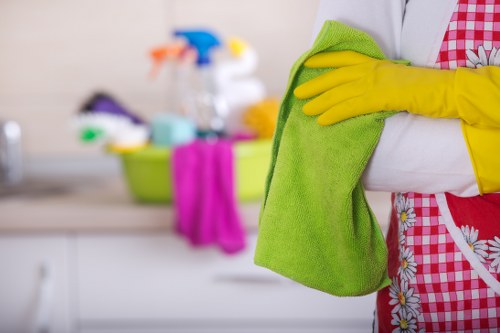
Professional office cleaning services usually cover a wide range of daily and periodic tasks. A standard cleaning schedule may include vacuuming, dusting, mopping, trash removal, restroom sanitizing, and surface wiping. However, more detailed services may also include carpet care, window cleaning, floor polishing, and deep sanitization.
When businesses hire a professional team, they often gain access to specialized tools and cleaning products that are more effective than basic supplies. This can make a major difference in larger offices or spaces with demanding hygiene requirements. Many companies prefer outsourced office cleaning because it allows staff to focus on their jobs instead of maintenance tasks.
Regular cleaning is only one part of the picture. Deep cleaning is equally important because it addresses built-up dirt in areas that are easy to overlook. This may include behind furniture, under desks, inside cabinets, and around vents or baseboards. Deep cleaning is especially valuable during seasonal changes or after office renovations.
Common tasks in office cleaning routines
- Emptying bins and replacing liners
- Dusting desks, shelves, and surfaces
- Vacuuming carpets and rugs
- Mopping hard floors
- Cleaning and disinfecting restrooms
- Sanitizing shared kitchen spaces
- Wiping down glass doors and partitions
- Removing fingerprints from high-traffic areas
These tasks help maintain a polished appearance while supporting hygiene and safety. A structured office cleaning checklist makes it easier to ensure nothing gets missed.
Benefits of a Clean Office Environment

The benefits of office cleaning go far beyond appearance. A clean environment supports both physical and mental well-being. Employees are often happier and more comfortable in spaces that feel fresh and well cared for. That sense of order can reduce stress and improve workplace satisfaction.
Clean offices may also help reduce allergy-related discomfort. Dust, mold, pollen, and poor air quality can trigger symptoms that affect employee performance. Regular dusting, vacuuming, and ventilation support a healthier indoor atmosphere. This is particularly important in offices with carpeting or older HVAC systems.
Clients and business partners also notice cleanliness. A spotless office can communicate professionalism, reliability, and attention to detail. In competitive industries, these impressions matter. A company that invests in office cleaning demonstrates that it values quality in every part of its operation.
Here are some of the major advantages of consistent cleaning:
- Improved workplace hygiene
- Better first impressions for visitors
- Higher employee morale
- Reduced clutter and distractions
- Longer life for office furniture and equipment
- Lower risk of germ spread in shared spaces
- More organized and efficient workdays
These benefits make office cleaning a smart investment rather than a simple maintenance expense. A clean workspace contributes to both employee performance and business reputation.
Choosing the Right Office Cleaning Approach

Every workplace has unique cleaning needs, so the right office cleaning approach depends on several factors. Office size, number of employees, business hours, visitor volume, and the type of work performed all affect the cleaning schedule. A busy office with multiple shared spaces may need more frequent service than a smaller, low-traffic workspace.
Many businesses start by identifying their most important cleaning priorities. For example, some may focus on restroom hygiene and breakroom sanitation, while others need extra attention on conference rooms, glass surfaces, or server areas. Once priorities are clear, it becomes easier to build a practical cleaning plan.
It is also useful to decide which tasks should be handled in-house and which should be managed by professionals. Some companies assign light duties such as desk tidying or personal trash removal to employees, while outsourcing deeper office cleaning services to specialists. This combination can be efficient and cost-effective.
Factors to consider when planning office cleaning
- Daily traffic levels
- Type of flooring and furniture
- Restroom and kitchen usage
- Presence of shared equipment
- Industry-specific hygiene needs
- Office hours and cleaning access times
- Budget and service frequency
By reviewing these details carefully, businesses can choose an office cleaning schedule that fits their workflow without disrupting operations.
Daily, Weekly, and Monthly Office Cleaning Tasks
A strong office cleaning plan usually includes tasks divided by frequency. This helps keep maintenance organized and ensures both visible and hidden areas receive attention. A schedule also makes it easier to track responsibilities and maintain consistency over time.
Daily tasks are focused on visible cleanliness and hygiene. These often include emptying trash bins, wiping surfaces, sanitizing restrooms, and cleaning shared kitchen areas. In high-traffic offices, daily vacuuming or sweeping may also be necessary. These basics help the workplace feel fresh every day.
Weekly tasks usually involve deeper attention, such as dusting hard-to-reach areas, cleaning interior glass, mopping floors, and sanitizing office equipment. Weekly office cleaning helps control buildup and keeps spaces from becoming neglected. It is a good middle ground between routine care and deep cleaning.
Typical monthly or periodic tasks
- Carpet shampooing or extraction
- Window and glass cleaning
- High-level dusting
- Floor buffing or polishing
- Deep restroom cleaning
- Vent and grille dust removal
- Detailed kitchen appliance cleaning
These periodic tasks help maintain a higher standard of cleanliness. They are especially helpful in offices that host clients often or have specialized cleanliness requirements.
Office Cleaning and Workplace Hygiene Standards
Hygiene standards in the workplace are increasingly important, and office cleaning plays a central role in meeting them. Clean restrooms, sanitized shared surfaces, and well-maintained common areas all contribute to a safer workplace. Businesses that prioritize hygiene can reduce the likelihood of contamination and promote employee confidence.
Professional cleaning teams often use color-coded cloths, disinfectants, microfiber systems, and carefully selected cleaning agents to avoid cross-contamination. These practices matter because offices often contain a mix of surfaces, from glass and metal to carpet and laminate. The wrong product or method can damage finishes or reduce effectiveness.
Air quality is another part of hygiene that should not be ignored. Dusting, vacuuming, and trash removal all help improve the indoor environment. In offices with limited ventilation, office cleaning should also include attention to vents, filters, and areas where dust tends to gather.
A cleaner office can support better everyday habits as well. When surfaces are maintained properly, employees are more likely to keep their own areas tidy. That shared responsibility creates a culture of cleanliness that benefits everyone.
How Office Cleaning Supports Productivity and Morale
There is a direct connection between office cleaning and employee productivity. In a cluttered or dirty environment, people may spend more time searching for items, avoiding messes, or feeling distracted by unpleasant surroundings. In contrast, a clean office supports a calmer and more focused mindset.
Morale also improves when employees feel that their workspace is respected and maintained. Clean restrooms, tidy break areas, and fresh-smelling common spaces all signal that leadership values employee comfort. That can contribute to better retention and stronger workplace culture over time.
In team settings, a well-cleaned office can also reduce friction. Shared spaces are easier to use when they are regularly maintained. Employees are less likely to complain about messes or sanitation issues, which can improve collaboration and daily harmony.
Ways office cleaning affects performance
- Fewer distractions from clutter
- Greater comfort during the workday
- Improved focus in shared spaces
- Less time spent managing messes
- Better overall mood
For these reasons, office cleaning should be treated as part of a business’s productivity strategy, not just a facility task. If the workplace feels clean and organized, people can often work more confidently and efficiently.
Office Cleaning for Different Types of Workspaces
Not all offices are the same, and office cleaning needs can differ based on the work environment. A creative studio may have open layouts and shared lounges, while a law office may have private suites and client-facing meeting rooms. A technology company may require careful dust control around electronics, while a healthcare office may need enhanced disinfection.
Small offices often benefit from flexible cleaning schedules that focus on essential hygiene and presentation. Larger workplaces usually require more coordinated service with clearly defined zones and recurring tasks. In both cases, the goal is the same: maintain a clean, safe, and professional environment.
Shared offices and coworking spaces deserve special attention because multiple people use the same desks, chairs, tables, and appliances. These environments tend to need frequent office cleaning to keep high-touch surfaces sanitary and prevent clutter from accumulating quickly.
Industrial offices, administrative buildings, and customer service centers may also need customized cleaning strategies. The best results come from matching the cleaning plan to the actual behavior and traffic patterns of the workplace.
How to Maintain Consistent Office Cleanliness
Consistency is one of the most important parts of successful office cleaning. Even the best deep clean will not last long without a regular maintenance plan. To keep standards high, businesses should establish routines, set expectations, and review cleaning performance regularly.
Simple habits can make a big difference. Encouraging employees to clear their desks, store personal items properly, and clean up after shared use of kitchens or meeting rooms helps prevent mess from spreading. Small actions across the team support a more efficient office cleaning process.
Businesses should also inspect their office cleaning results on a routine basis. Regular checks help identify problem areas before they become larger issues. This can include monitoring restroom supplies, carpet wear, dust buildup, and the condition of shared surfaces.
Practical tips for maintaining cleanliness
- Create a cleaning schedule with clear priorities
- Assign responsibility for common area upkeep
- Use storage solutions to reduce clutter
- Replace worn supplies quickly
- Address spills and stains immediately
- Review service frequency during busy periods
When these habits are followed consistently, office cleaning becomes easier to manage and more effective over the long term.
Why Professional Office Cleaning Is a Smart Choice
While some basic cleaning can be handled internally, professional office cleaning offers specialized advantages. Trained cleaners understand how to handle different materials, use proper disinfecting methods, and work efficiently without disrupting office operations. This expertise can improve both the appearance and hygiene of the workplace.
Professional cleaners often bring their own equipment, supplies, and systems, which reduces the burden on internal staff. They can also tailor service to business schedules, whether that means cleaning before opening hours, after closing time, or during low-traffic periods. This flexibility is especially valuable in busy workplaces.
Another advantage is consistency. When a professional team follows a defined cleaning plan, the office is more likely to maintain a steady standard of cleanliness. That reliability is important for businesses that want to present a polished image every day.
If your office needs better hygiene, improved presentation, or more efficient maintenance, office cleaning services can provide the support required. Contact us today to explore options that suit your workplace needs, or book your service now to create a cleaner, healthier environment.
Final Thoughts on Office Cleaning
Office cleaning is one of the most valuable investments a business can make. It improves health, supports productivity, protects property, and strengthens the professional image of the workplace. Whether the office is small or large, routine maintenance and periodic deep cleaning help keep everything running smoothly.
A clean office is not just visually appealing; it is a sign of organization, care, and professionalism. Businesses that prioritize office cleaning often enjoy better workplace morale, fewer hygiene concerns, and a more welcoming environment for everyone who enters the space.
From daily sanitation to scheduled deep cleaning, the right plan can transform the way a workplace looks and feels. If you want your office to reflect the best version of your business, make cleanliness a priority and keep your cleaning strategy active throughout the year.
Book your service now and take the next step toward a cleaner office, a more productive team, and a better experience for clients and staff alike.