End of Tenancy Cleaning: A Practical, Professional Approach to Getting a Property Ready for Inspection
What End of Tenancy Cleaning Really Means

End of tenancy cleaning is the thorough cleaning of a rented property before the tenant moves out, usually to help meet the standards expected by landlords, letting agents, and inventory clerks. Unlike a quick tidy-up, end of tenancy cleaning focuses on restoring the home to a presentable condition so it can be checked against the original inventory and inspection report.
For tenants, this process can make a major difference when it comes to protecting a deposit. For landlords and property managers, it helps reduce vacancy time and prepares the space for the next occupant. In many cases, the quality of end of tenancy cleaning affects how smoothly the transition between tenants goes.
This type of cleaning often involves deep attention to areas that are easy to miss during everyday maintenance, including ovens, skirting boards, light fittings, windows, bathrooms, and hidden corners. The goal is not just surface cleanliness but a property that looks, feels, and smells refreshed.
Why End of Tenancy Cleaning Matters
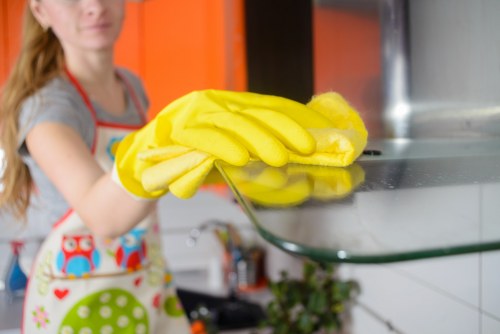
There are several reasons why end of tenancy cleaning is so important. First, it helps tenants present the property in the condition required by their tenancy agreement. Second, it supports landlords in keeping the property market-ready. Third, it reduces disputes over deposit deductions by showing that the property has been cleaned properly.
Many tenancy agreements include clauses about leaving the property in a clean and tidy condition. Even if a tenancy does not specify a professional clean, the expectation is usually that the property will be returned to a similar standard as when the tenant moved in, allowing for fair wear and tear.
When people search for end of tenancy cleaning, they are often dealing with a time-sensitive move. That is why planning matters. A well-organized clean can help avoid last-minute stress, missed tasks, and unnecessary costs. It also makes the final inspection easier for everyone involved.
What Is Usually Included in End of Tenancy Cleaning?
A proper end of tenancy cleaning service usually covers a wide range of tasks across the whole property. While exact checklists may vary, the standard approach is to clean all major areas thoroughly from top to bottom.
Typical tasks often include:
- Cleaning all floors, carpets, and hard surfaces
- Dusting and wiping down all reachable surfaces
- Cleaning inside and outside kitchen cupboards
- Degreasing ovens, hobs, and extractor fans
- Scrubbing sinks, taps, toilets, baths, and showers
- Removing limescale, soap scum, and stains
- Washing interior windows and sills
- Cleaning mirrors, switches, skirting boards, and doors
Some end of tenancy cleaning services also include appliances such as fridges, freezers, microwaves, washing machines, and dishwashers if they are part of the tenancy. The more detail included, the more likely the property will pass inspection without issues.
Kitchens Need Special Attention
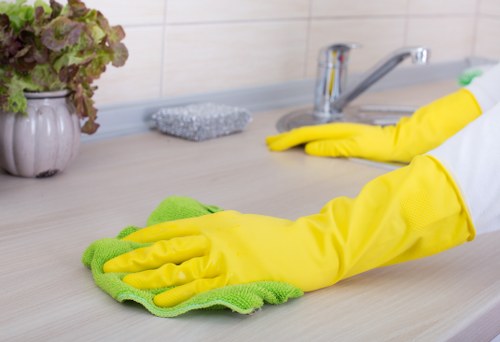
The kitchen is often the most challenging part of end of tenancy cleaning. Cooking residue, grease buildup, and food marks can collect in places that are not obvious during daily use. Ovens, splashbacks, cupboards, and appliance seals usually need extra care.
A clean kitchen is one of the first things a landlord or agent notices. End of tenancy cleaning in the kitchen should aim to remove grease from surfaces, eliminate crumbs and debris, and leave appliances hygienic and ready for use. Even small details such as cleaned cabinet handles and spotless sink plugs can make a strong impression.
Deep cleaning the kitchen may also involve defrosting and wiping freezers, cleaning under removable appliances, and removing built-up grime around cooker knobs, vents, and light switches. These details show that the property has been properly cared for.
Bathrooms and Hygiene Standards
Bathrooms are another key area in end of tenancy cleaning because hygiene is essential. Limescale, mold spots, water stains, and soap residue can quickly make a bathroom look neglected even if it has been used normally. A detailed clean should target all of these problem areas.
The toilet, sink, shower, bath, tiles, grout, and taps should all be cleaned and disinfected. Mirrors should be polished, floors mopped, and fittings wiped down so the room feels fresh and sanitary. In many cases, bathroom cleaning is what most strongly affects the overall appearance of the property.
Good end of tenancy cleaning in bathrooms also includes ventilation covers, extractor fans, and behind-toilet spaces. These areas are often forgotten but can gather dust and grime over time. Addressing them helps the room look complete rather than only partially cleaned.
Living Areas, Bedrooms, and Hallways
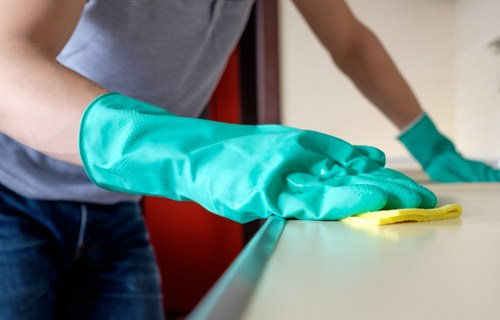
While kitchens and bathrooms usually require the most intensive work, living rooms, bedrooms, and hallways still matter in end of tenancy cleaning. These areas should be free from dust, marks, cobwebs, and debris. The objective is to leave every room looking ready for the next tenant to move in.
Common tasks include vacuuming carpets, wiping baseboards, cleaning radiators, dusting shelves, and polishing accessible furniture if it is included in the tenancy. Light fittings, door frames, and window ledges should also be checked carefully.
End of tenancy cleaning is often judged by the smallest visible details. A clean hallway, for example, sets the tone for the rest of the property. When walls, floors, and corners look neat, the overall impression is much stronger and more professional.
Hidden Areas That Are Easy to Miss
People often overlook hidden or awkward areas during end of tenancy cleaning. These can include behind radiators, under beds, inside wardrobes, and along the tops of cupboards. Dust and dirt in these spaces can create the impression of incomplete cleaning.
Other easy-to-miss places include light switches, plug sockets, curtain rails, and the edges of carpeted rooms. A careful clean focuses on the whole property, not just the obvious surfaces. This is especially useful when an inventory check is likely to be detailed.
End of tenancy cleaning is more effective when approached systematically. Working room by room and top to bottom helps ensure that nothing is skipped. It also reduces the chance of having to revisit an area after the main clean is already finished.
Professional Cleaning or DIY?

One of the most common questions people ask is whether to book a professional service or handle end of tenancy cleaning themselves. The answer depends on time, budget, property size, and the level of cleaning required. Both options can work well when planned properly.
A DIY clean may be suitable for smaller properties or tenants who have the time and equipment to do the job thoroughly. However, professional end of tenancy cleaning services usually bring better results for larger homes, tight deadlines, or properties with heavy buildup.
Professionals often use specialized tools, strong cleaning solutions, and proven methods to tackle stubborn grime. This can be especially useful in kitchens and bathrooms, where deep cleaning often takes much longer than expected. If the goal is to reduce stress and improve the chances of a full deposit return, a professional option can be a wise investment.
Benefits of Hiring Specialists
- Time-saving and efficient
- Better handling of tough stains and grease
- More consistent results across the whole property
- Useful for last-minute move-outs
- Helps meet inspection expectations
In many cases, end of tenancy cleaning specialists also understand what landlords and agents typically check. That practical knowledge can save tenants from missing details that might otherwise lead to deductions or re-clean requests.
How to Prepare Before Cleaning Starts
Preparation makes end of tenancy cleaning much easier. Before any cleaning begins, it helps to remove personal belongings, dispose of rubbish, and clear shelves, drawers, and cupboards. A decluttered property is faster to clean and allows better access to surfaces.
If possible, tenants should also compare the current condition of the property with the original inventory. This can help identify spots that need extra attention. Photos taken during move-in and move-out can be useful if there are questions later.
Basic preparation steps often include:
- Removing all personal items and packing boxes
- Unplugging and defrosting appliances if required
- Taking out rubbish and recycling
- Gathering cleaning supplies and equipment
- Checking the tenancy agreement for cleaning expectations
Once the property is ready, end of tenancy cleaning becomes more manageable. Instead of cleaning around clutter, you can focus on results that meet the required standard.
Useful Supplies for a Thorough Clean
The right products make a difference in end of tenancy cleaning. A basic kit may include microfiber cloths, sponges, a mop, vacuum cleaner, disinfectant, glass cleaner, degreaser, limescale remover, and gloves. For more demanding tasks, a scrub brush or steam cleaner can also be helpful.
Choosing the right products for the right surface is important. Harsh chemicals can damage delicate finishes, while mild cleaners may not remove heavy buildup. Testing a small area first is often a sensible approach, especially in kitchens and bathrooms.
End of tenancy cleaning works best when the tools match the condition of the property. Using the right method can save time and produce a much better finish.
How to Avoid Deposit Deductions
A major reason tenants focus on end of tenancy cleaning is to avoid unnecessary deposit deductions. While landlords cannot charge for fair wear and tear, they can request deductions if the property is left dirty, damaged, or not cleaned to the expected standard.
The best way to reduce the risk is to leave the property as clean as possible and document the condition carefully. Paying attention to problem areas such as ovens, bathrooms, and carpets is especially important because these are common inspection points.
It also helps to keep receipts if you hire a professional end of tenancy cleaning company. While a receipt does not guarantee deposit release, it can demonstrate that the property was cleaned properly and in good faith.
Practical ways to protect your deposit include:
- Following the original inventory checklist
- Repairing minor issues where appropriate
- Cleaning marks before they become stains
- Completing a final walkthrough before handover
- Leaving the property empty and ready for inspection
Landlord and Letting Agent Expectations
What They Usually Look For
Landlords and letting agents typically expect end of tenancy cleaning to bring the property back to a rentable condition. They usually focus on cleanliness, hygiene, and whether the home looks move-in ready. That does not mean the property must be perfect, but it should be clearly well maintained.
They often inspect kitchens, bathrooms, floors, windows, and appliances first. If these areas are clean, the rest of the property is usually easier to approve. Strong attention to detail can help prevent unnecessary disputes and delays.
When a property has been cleaned professionally, the result often stands out. End of tenancy cleaning creates a good final impression and can help both tenant and landlord complete the handover smoothly.
Seasonal and Situational Factors
Some move-outs require extra attention depending on the season or the condition of the home. For example, winter properties may have more condensation, mold risk, or mud near entrances, while summer move-outs may involve dust and increased window cleaning. End of tenancy cleaning should adapt to these practical realities.
Pets, children, smoking, or long occupancy periods can also increase cleaning demands. In those situations, deep cleaning and stain removal may take more time, and a more detailed plan becomes important.
End of tenancy cleaning is never one-size-fits-all. Each property has its own needs, and tailoring the cleaning approach is often the key to achieving the best results.
Common Mistakes to Avoid
Even with the best intentions, some mistakes can undermine end of tenancy cleaning. One of the biggest is leaving everything until the last day. Rushing usually leads to missed spots, poor attention to detail, and unnecessary stress.
Another common mistake is focusing only on visible surfaces. While a room may look clean at first glance, hidden grime in cupboards, corners, or behind appliances can still cause problems during inspection. A full clean should cover the whole property.
Other mistakes include using the wrong cleaning products, forgetting to defrost freezers, and not checking the inventory carefully. Avoiding these issues makes end of tenancy cleaning much more effective and less frustrating.
- Leaving stubborn stains untreated
- Forgetting light fixtures and fittings
- Neglecting skirting boards and edges
- Not cleaning inside appliances
- Skipping final checks before handing back keys
Why a High-Quality Finish Matters
A high-quality finish is the difference between a property that merely looks okay and one that feels truly ready for inspection. In end of tenancy cleaning, the finish matters because it reflects care, effort, and respect for the property.
Polished surfaces, fresh-smelling rooms, clean edges, and spotless fixtures all contribute to that finish. Even if the tenancy period has ended, the quality of the final clean can influence how the move-out is remembered and how quickly the property can be relet.
For tenants, a polished result can support a smoother deposit return. For landlords, it can help maintain property standards. For letting agents, it can mean fewer back-and-forth checks and less time spent arranging re-cleans. This is why end of tenancy cleaning should be treated as an essential part of the moving process, not an afterthought.
If you want a cleaner move-out, better inspection results, and less stress, the smartest step is to plan early and act methodically. Contact us today to make your property presentation-ready, or book your service now to stay ahead of your moving deadline.
End of tenancy cleaning is not just about cleaning; it is about leaving a property in a respectful, workable condition for the next chapter. When done properly, it supports deposits, reduces conflict, and creates a smoother transition for everyone involved.