Domestic Cleaning: A Practical Approach to a Cleaner, Healthier Home
What Domestic Cleaning Really Means 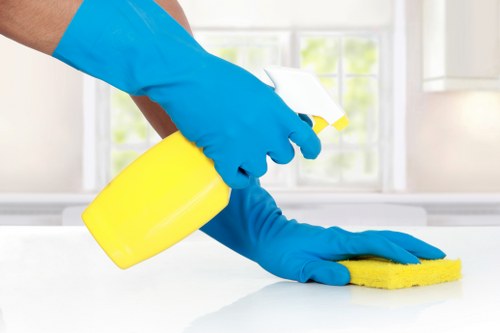
Domestic cleaning is more than a quick tidy-up. It is the regular care of a home’s living spaces so that rooms stay hygienic, comfortable, and inviting. Whether you live in a small apartment or a busy family house, domestic cleaning helps manage dust, grime, clutter, and germs before they build up.
Many people think of domestic cleaning as a single task, but it actually includes a wide range of activities: vacuuming, mopping, wiping surfaces, washing bathrooms, cleaning kitchens, dusting fixtures, and keeping frequently used areas fresh. Done consistently, it improves the look of a property and supports better indoor air quality and overall well-being.
There is also a big difference between occasional tidying and proper domestic cleaning services. Tidy spaces may look neat for a moment, but clean spaces are those where dirt, bacteria, and hidden buildup are removed on a routine basis. That is why many households create a weekly or fortnightly cleaning schedule, while others choose professional help to keep things under control.
Why Domestic Cleaning Matters for Everyday Living 
Clean homes are more comfortable to live in. A well-maintained home feels calmer, smells fresher, and is easier to enjoy. Domestic cleaning also reduces the amount of dust, allergens, and bacteria in the environment, which can be especially helpful for children, older adults, and anyone with allergies or respiratory sensitivities.
Beyond health benefits, regular cleaning protects your home’s surfaces and fixtures. Dirt and moisture can damage floors, kitchen counters, bathroom fittings, upholstery, and appliances over time. By investing time in routine domestic cleaning, you can help preserve the condition of your property and avoid unnecessary repair or replacement costs.
There is also a mental benefit. Clutter and mess can create stress, while an organized home often supports better focus and relaxation. For busy households, maintaining a cleaning routine can make daily life feel more manageable. In many cases, even small cleaning habits create a noticeable difference in comfort and peace of mind.
Core Areas Covered in Domestic Cleaning 
Every home has areas that need regular attention. A strong domestic cleaning routine usually focuses on the rooms and surfaces that gather dirt fastest. These include kitchens, bathrooms, bedrooms, living rooms, hallways, stairs, and entryways. Each area has different cleaning needs, so a good plan should be practical and adaptable.
Kitchens often require the most frequent cleaning because food preparation creates grease, crumbs, and spills. Bathroom cleaning is also essential, as moisture can lead to soap scum, limescale, and unpleasant odors. Bedrooms and living areas may appear cleaner at first glance, but they still collect dust, pet hair, and debris from everyday use.
To keep things organized, many homeowners divide tasks into categories. For example, they may handle daily domestic cleaning tasks like wiping counters and washing dishes, then reserve deeper jobs such as oven cleaning or skirting board dusting for the weekend. This approach keeps cleaning manageable without feeling overwhelming.
Typical Tasks Included in Domestic Cleaning
Domestic cleaning can be tailored to the needs of each household, but common tasks usually include:
- Dusting shelves, furniture, and decorative surfaces
- Vacuuming carpets, rugs, and upholstery
- Mopping hard floors
- Cleaning mirrors and glass surfaces
- Wiping kitchen counters and appliance exteriors
- Scrubbing sinks, baths, showers, and toilets
- Removing rubbish and replacing bin liners
- Sanitizing high-touch points such as handles and switches
These tasks may look simple, but doing them regularly makes a major difference. Domestic cleaning works best when it is consistent, because smaller messes are easier to manage before they become stubborn or time-consuming.
Some households also include extras such as ironing, bed changing, inside-window wiping, and fridge cleaning. The exact checklist depends on lifestyle, household size, pets, and the level of maintenance desired.
How to Build an Effective Domestic Cleaning Routine 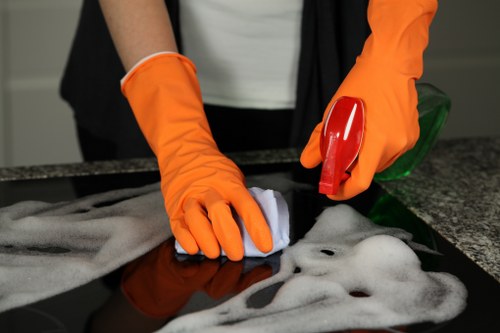
A practical domestic cleaning routine should fit real life. The best approach is one that can be maintained week after week. Start by identifying the most used rooms and the surfaces that get dirty fastest. Then assign tasks by frequency: daily, weekly, monthly, and seasonal.
Daily cleaning is usually about keeping the home under control. This might involve washing up, wiping kitchen surfaces, tidying rooms, and doing a quick sweep of high-traffic areas. Weekly tasks often include vacuuming, mopping, full bathroom cleaning, and dusting. Monthly tasks may involve cleaning behind furniture, washing windows, or descaling appliances.
For best results, use a simple order of operations. Work from top to bottom so dust falls onto areas that will be cleaned later. Clean dry areas first, then move to wet cleaning. In a bathroom or kitchen, tackle the dirtiest surfaces before finishing with floors. This makes domestic cleaning more efficient and reduces repeated work.
Sample Weekly Domestic Cleaning Plan
A structured schedule can save time and reduce decision fatigue. Here is a simple weekly plan that many households can adapt:
- Monday: Dust living areas and wipe visible surfaces
- Tuesday: Vacuum carpets and rugs
- Wednesday: Clean bathrooms and disinfect key touchpoints
- Thursday: Mop hard floors and clean kitchen surfaces
- Friday: Change bedding and tidy bedrooms
- Saturday: Handle deeper jobs such as oven cleaning or laundry sorting
- Sunday: Light reset, declutter, and prepare for the new week
This kind of domestic cleaning schedule is easy to modify. If your home has children or pets, you may want to increase vacuuming and surface wiping. If your schedule is busy, shorter daily sessions can be combined into larger blocks on the weekend.
Consistency is often more important than perfection. A steady routine prevents buildup and helps the home remain pleasant even during busy periods.
Professional Domestic Cleaning vs DIY Cleaning 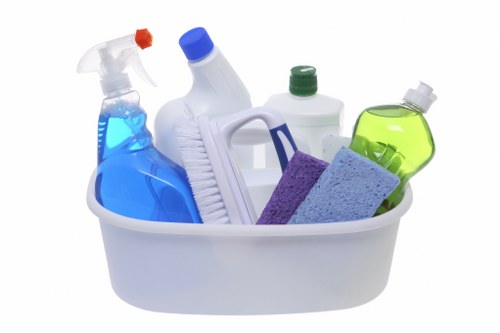
Some households prefer to clean everything themselves, while others rely on professional domestic cleaning services. Both options can work well depending on time, budget, and personal preference. The right choice often depends on how much cleaning is needed and how often it must be done.
DIY cleaning can be cost-effective and flexible. It gives homeowners complete control over products, timing, and cleaning methods. However, it can also be tiring, especially for larger homes or households with heavy foot traffic. Stubborn dirt, neglected areas, and deep grime may also require specialist tools or techniques.
Professional domestic cleaning can be a smart option when time is limited or a deeper clean is needed. Trained cleaners often work faster, use suitable equipment, and know how to handle different surfaces safely. Many people choose professional support for regular maintenance, end-of-tenancy cleaning, or seasonal refreshes. In either case, the goal is the same: a cleaner, healthier, more comfortable home.
When a Professional Service Can Help
There are several situations where hiring help makes sense. These may include:
- Busy households with limited time for upkeep
- Large homes with multiple rooms and bathrooms
- Post-renovation mess and dust
- Homes with pets that shed frequently
- Move-in or move-out cleaning requirements
- Periods of illness, recovery, or increased workload
Professional domestic cleaning services can also be useful for maintaining high standards before guests arrive or during seasonal transitions. If you want a home that stays consistently tidy without taking hours out of your week, outside support can be worth considering.
That said, the most effective arrangement is often a blend of both. Many households do light daily cleaning themselves and bring in professionals for deeper tasks.
Choosing the Right Domestic Cleaning Products and Tools
The right tools make domestic cleaning easier and more effective. Basic supplies usually include a microfiber cloth, vacuum cleaner, mop, bucket, all-purpose spray, disinfectant, glass cleaner, toilet cleaner, and rubber gloves. Microfiber is especially useful because it traps dust rather than moving it around.
Product choice matters too. Different areas need different solutions. For example, kitchens may need degreasers, bathrooms may need limescale removers, and glass surfaces require streak-free cleaners. Always check surface compatibility before using a product on stone, wood, stainless steel, or painted finishes.
Many people now prefer eco-friendly domestic cleaning products because they are gentler on the environment and often suitable for daily use. These products can be a smart choice for households looking to reduce harsh chemical exposure while still maintaining a high standard of cleanliness. However, effectiveness and safety should always come first, so choose products that match the task.
Essential Tools for Efficient Cleaning
To make domestic cleaning more efficient, keep a small cleaning kit ready. Useful items include:
- Microfiber cloths for dusting and wiping
- A vacuum with attachments for corners and upholstery
- A mop suitable for your floor type
- Spray bottles for diluted solutions
- Scrub brushes for sinks and grout
- Sponges and non-scratch pads
- Storage caddies to keep products organized
Having supplies in one place saves time and reduces friction. It also makes it easier to complete domestic cleaning jobs quickly, especially when unexpected messes happen.
Tip: Keep frequently used products where you need them most. For example, store bathroom cleaning products in a nearby cabinet and kitchen wipes under the sink.
Domestic Cleaning Tips for Different Rooms
Each room has its own cleaning priorities. In the kitchen, focus on food-contact surfaces, sinks, appliances, and floors. In bathrooms, remove soap residue, clean mirrors, disinfect fixtures, and keep moisture under control. In bedrooms, dust furniture, vacuum under the bed, and wash bedding regularly.
The living room often needs a mix of dusting, vacuuming, upholstery care, and clutter management. Hallways and stairs collect dirt quickly because they are high-traffic areas, so they may need more frequent vacuuming or sweeping. A room-by-room approach helps you stay organized and ensures nothing gets overlooked.
Domestic cleaning becomes easier when you work according to how each space is used. For example, a family room may need pet hair removal every few days, while a spare bedroom may only need weekly dusting. Matching your cleaning effort to actual use improves efficiency.
Kitchen Cleaning Priorities
The kitchen is often the heart of the home, which means it also becomes one of the dirtiest areas. Focus on wiping counters, sanitizing sinks, cleaning splashbacks, and keeping the hob and extractor area free from grease. Emptying bins regularly is also important to reduce odor and pests.
Clean spills as soon as they happen. This prevents sticky residue and protects finishes from staining. Routine domestic cleaning in the kitchen should also include checking the fridge, wiping cabinet handles, and sweeping under appliances where crumbs can gather.
A clean kitchen supports both hygiene and efficiency, especially when food is prepared daily. Even a few minutes of attention after each meal can make a major difference.
Bathroom Cleaning Priorities
Bathrooms need regular and thorough attention because moisture encourages the growth of mold, mildew, and bacteria. Clean toilets, sinks, baths, showers, taps, and mirrors at least once a week, and more often in busy homes. Pay special attention to grout, drains, and corners where residue can build up.
Ventilation plays an important role in bathroom maintenance. Run extractor fans or open windows after showers to reduce dampness. This simple habit supports domestic cleaning efforts by preventing the conditions that lead to unpleasant smells and visible buildup.
Clean bathrooms are a strong sign of a well-maintained home, and they also contribute significantly to comfort and hygiene.
Bedroom and Living Area Cleaning Priorities
Bedrooms and living rooms may not always look dirty, but they still collect dust and allergens. Regular vacuuming, dusting, and bedding care are essential. Keep surfaces clear where possible, because clutter makes cleaning harder and allows dust to settle unnoticed.
Upholstery should be vacuumed periodically, and cushions should be rotated or shaken out. Curtains, blinds, and lampshades can also trap dust. These areas are often skipped during quick cleaning sessions, but they matter for both appearance and air quality.
Domestic cleaning in social spaces should focus on comfort as well as cleanliness. A fresh, uncluttered room feels more welcoming and relaxing for everyone in the household.
How Domestic Cleaning Supports Health and Safety
Clean homes are safer homes. Regular domestic cleaning reduces the buildup of dust, mold, bacteria, and food residue, all of which can create hygiene problems if left unchecked. Slips and falls can also be reduced when floors are kept dry and free from clutter.
Another important benefit is allergen control. Dust mites, pet dander, and pollen can accumulate on soft furnishings and surfaces. Vacuuming with a good filter, wiping dust properly, and washing fabrics regularly can help reduce exposure. For allergy-prone households, domestic cleaning is part of a healthy lifestyle, not just a household chore.
Safety also includes using products correctly. Always follow instructions, avoid mixing chemicals, and store cleaning supplies away from children and pets. Good habits protect both the home and the people living in it.
Seasonal Domestic Cleaning Tasks
Beyond weekly upkeep, some tasks are best handled seasonally. These include washing windows, cleaning curtains, deep-cleaning carpets, organizing storage areas, and clearing out forgotten corners. Seasonal work helps refresh the home and catch buildup that routine cleaning may miss.
- Spring: Declutter, wash fabrics, and refresh storage spaces
- Summer: Focus on ventilation, windows, and outdoor-entry dirt
- Autumn: Prepare for more indoor living by deep-cleaning common areas
- Winter: Keep floors, radiators, and high-use rooms clean and dust-free
These seasonal tasks complement regular domestic cleaning and help keep the house in excellent condition year-round. They also make it easier to maintain a polished look when guests arrive or the weather changes.
Common Domestic Cleaning Mistakes to Avoid
Even with good intentions, it is easy to make mistakes that reduce cleaning effectiveness. One common issue is using too much product. More does not always mean better, and excessive cleaning solution can leave residue or damage surfaces. Another mistake is cleaning in the wrong order, which often means redoing work later.
Skipping high-touch surfaces is another missed opportunity. Light switches, door handles, remotes, and appliance controls collect germs quickly. These areas should be part of any smart domestic cleaning routine. People also sometimes forget to clean tools themselves, such as vacuum filters, cloths, and mop heads, which can reduce performance over time.
Finally, many homeowners try to do too much in one session. Breaking tasks into manageable blocks is more sustainable and keeps domestic cleaning from becoming exhausting. Small, regular actions are usually more effective than occasional marathon cleaning sessions.
How to Make Domestic Cleaning Easier
There are simple ways to make cleaning feel less burdensome. Keep clutter low, clean as you go, and create a routine that matches your schedule. Set timers for quick tasks if motivation is low. A focused 15-minute session can often do more than an unfocused hour.
Family involvement can also help. When everyone contributes a little, the workload becomes lighter. Children can learn age-appropriate jobs such as putting away toys, wiping surfaces, or sorting laundry. This creates better household habits and makes domestic cleaning a shared responsibility.
Book your service now if you want to save time and keep your home looking its best without the stress of managing every detail yourself. And if you prefer to handle cleaning in-house, start with a simple plan and build from there.
The Long-Term Value of Regular Domestic Cleaning
Over time, consistent domestic cleaning pays off in many ways. It helps preserve flooring, furniture, appliances, and fixtures. It reduces the chance of unpleasant surprises, such as stubborn stains or hidden grime. It also makes everyday life smoother because a clean home is easier to maintain than a neglected one.
There is also a practical financial benefit. When surfaces, fabrics, and fittings are looked after properly, they tend to last longer. That means fewer replacements and less damage-related spending. In this sense, domestic cleaning is both a lifestyle choice and a form of home protection.
Whether you clean yourself or use professional domestic cleaning services, the key is consistency. A reliable routine keeps the property fresh, supports health, and makes the space more enjoyable for everyone who lives there. Contact us today to take the next step toward a cleaner, more comfortable home.