Insurance and Safety
 Our insurance and safety approach is built to protect people, property, and project outcomes at every stage of work. Whether the job is planned in advance or changes quickly on site, we place equal importance on practical safeguards and dependable cover. By combining public liability insurance, structured staff training, proper PPE, and a clear risk assessment process, we create a safer environment and reduce avoidable disruption.
Public liability insurance is a core part of our protection strategy. It helps provide financial cover if third parties suffer injury or property damage linked to our activities. For clients and partners, this means added reassurance that our insurance for safety is not treated as an afterthought. It is an essential layer of responsibility that supports professional operations and helps manage unexpected incidents with confidence.
 Alongside insurance cover, we invest in staff training so that each team member understands how to work safely and respond appropriately to changing conditions. Training includes hazard awareness, correct equipment use, site discipline, emergency procedures, and communication standards. In an effective safety and insurance framework, training is not a one-time event; it is an ongoing process that keeps knowledge current and reinforces safe habits every day.
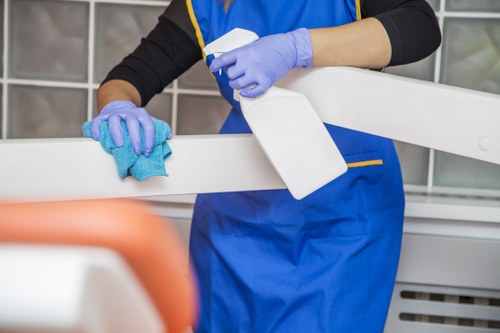
 Personal protective equipment, or PPE, is another vital part of our insurance and safety commitment. Depending on the task, this may include helmets, high-visibility clothing, gloves, eye protection, hearing protection, and safety footwear. PPE is selected for the specific risks involved and checked regularly to ensure it remains suitable, comfortable, and effective. We expect equipment to be worn correctly and consistently wherever risk controls require it.
The way PPE is introduced matters as much as the equipment itself. Team members are shown how to fit, use, and maintain each item so that protection is reliable in real-world conditions. This is especially important when work environments change, or when tasks require higher-level protection for short periods. Strong health, safety, and insurance practices depend on PPE being treated as part of a wider system, not a standalone measure.
Our risk assessment process is designed to identify hazards before work begins and to keep checking them throughout the job. First, we look at the task, location, tools, and environment. Next, we assess who may be affected and how serious the potential harm could be. Then we apply suitable control measures, document the findings, and review them when conditions change. This structured approach supports safer decisions and helps ensure that our liability insurance is backed by strong prevention measures.
Risk assessment is most effective when it is practical and specific. Rather than relying on generic assumptions, we focus on the actual conditions present on site. This includes weather, access routes, public interaction, equipment movement, and any unusual constraints. By combining observation with experience, our insurance and safety controls remain responsive and relevant. If a hazard cannot be removed completely, we reduce exposure through supervision, segregation, warning systems, or schedule adjustments.
We also place emphasis on communication between managers, supervisors, and staff. Clear instructions help everyone understand what is expected before work starts and what to do if circumstances change. Staff training supports this process by giving people the confidence to stop and raise concerns when needed. A strong safety culture encourages reporting, improvement, and shared responsibility, which is essential for maintaining a consistent standard of protection.
 Another important element of our insurance and safety policy is regular review. We check procedures after incidents, near misses, equipment changes, or updates in working methods. This allows us to improve controls and make sure our public liability cover remains aligned with the activities being carried out. By reviewing performance and learning from experience, we strengthen both prevention and preparedness across the business.
Our approach is designed to be practical, reliable, and easy to apply in real working conditions. From the first planning stage through to completion, we focus on identifying risk, using proper PPE, and maintaining clear standards of conduct. The result is a safer workplace where people can work with greater assurance and where responsibilities are understood. Strong insurance coverage and active safety management go hand in hand.
Insurance and safety are not separate priorities; they are connected parts of the same duty of care. Public liability insurance provides a financial safeguard, while training, PPE, and risk assessment reduce the chance of harm occurring in the first place. This balanced approach helps protect individuals, supports compliance, and demonstrates professional accountability in every task we undertake.
 By maintaining high standards across cover, training, protective equipment, and assessment, we deliver a robust insurance and safety framework that supports safe and dependable operations. Each element plays a distinct role, but together they form a complete system of protection. This commitment helps manage uncertainty, reduce risk, and create a more secure environment for everyone involved.