West Hampstead station and surrounding houses deep cleaning tips
If you live near West Hampstead station, you probably know the rhythm of the area: commuters in a rush, older Victorian and Edwardian homes, flats with narrow hallways, and a constant trickle of dust from busy streets. That mix makes cleaning a bit different from a standard suburban tidy-up. These West Hampstead station and surrounding houses deep cleaning tips are designed to help you tackle the places grime actually hides, not just the bits you can see first thing in the morning.
Deep cleaning is not about making everything sparkle for ten minutes and then giving up. It is about resetting the home. That matters in shared buildings, family houses, rental properties, and busy households where shoes, pets, cooking, and traffic pollution all leave their mark. In the sections below, you will find a practical process, realistic timing advice, common mistakes, and a few expert habits that make the whole job far less overwhelming. And yes, you can absolutely do this without turning the weekend into a full-scale domestic drama.
Table of Contents
- Why this matters in West Hampstead
- How a proper deep clean works
- Key benefits and practical advantages
- Who this is for and when it makes sense
- Step-by-step guidance
- Expert tips for better results
- Common mistakes to avoid
- Tools, resources and recommendations
- Law, compliance and best practice
- Options, methods and comparison table
- Case study or real-world example
- Practical checklist
- Conclusion
- Frequently asked questions
Why West Hampstead station and surrounding houses deep cleaning tips Matters
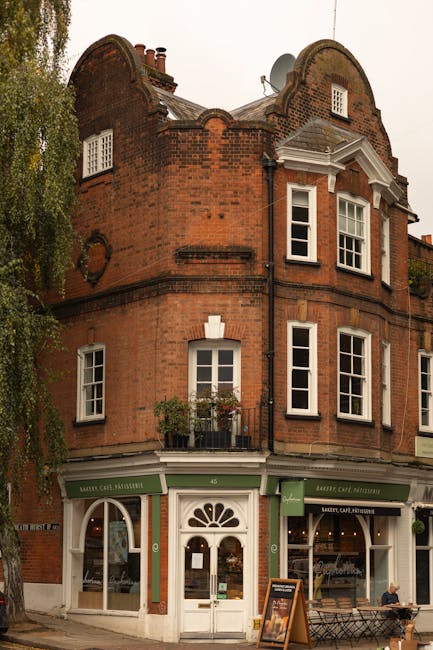
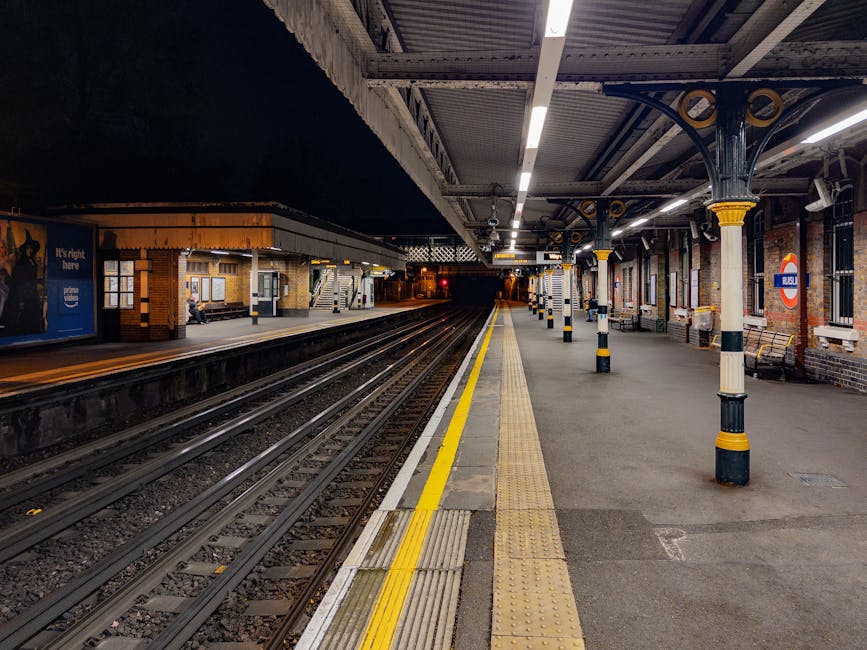
Homes around West Hampstead station deal with a few cleaning pressures at once. There is foot traffic from the station, road dust, wet weather on shoes, shared entrances, and in many cases older building features like skirting boards, sash windows, cast-iron radiators, and awkward corners that gather dirt quietly over time. You do not always notice it day to day. Then one Saturday you wipe a shelf and the cloth comes away grey. Not ideal, but very normal.
Deep cleaning matters because surface cleaning only handles the visible layer. A real reset reaches behind taps, under beds, along kitchen plinths, behind the loo, around extractor fans, and into upholstery fibres. It is especially useful if your home feels stale, if you have had building work, or if you are trying to get on top of a build-up that weekly cleaning has not quite managed.
There is also a practical side. A cleaner home is easier to maintain, easier to inspect, and usually less stressful to live in. In rented homes, it can help with move-outs and inventory expectations. In owner-occupied homes, it just makes the place feel lighter. Truth be told, that feeling of walking into a freshly deep-cleaned hallway after a damp London evening is hard to beat.
For broader support around a thorough reset, many households pair these tips with a professional deep cleaning service or book one-off cleaning when the job has got too big to do properly in one go.
How West Hampstead station and surrounding houses deep cleaning tips Works
Deep cleaning works best when you treat the home in zones rather than trying to clean everything randomly. That sounds obvious, but people often start with a cloth in one room, get distracted by a pile of laundry, then spend the next hour moving items around instead of actually cleaning. Been there. It happens.
The method is straightforward:
- Declutter first. Clear surfaces, floors, and awkward corners so you can reach the dirt.
- Work top to bottom. Dust falls downward, so start high and finish low.
- Use the right products. A degreaser for the kitchen, a descaler for taps, and a gentle fabric cleaner where needed.
- Give dwell time. Let products sit long enough to do their job, especially in bathrooms and ovens.
- Detail the hidden spots. Handles, switches, edges, grilles, and the underside of furniture all matter.
- Finish with floors and soft furnishings. Vacuum properly, mop where suitable, and treat fabrics if needed.
In a typical West Hampstead home, the hardest part is often not the cleaning itself. It is the layout. Narrow hallways, stairwells, compact kitchens, and shared circulation spaces make it easy to miss corners. So the best approach is calm and methodical. Small win, then next small win.
If your property includes communal areas, it can be worth considering communal area cleaning for entrances, stairs, and shared touchpoints, because those spaces pick up dirt quickly and affect the whole building's feel.
Key Benefits and Practical Advantages
A deep clean is not just about appearances. Yes, the shine is nice. But the real value sits a bit deeper.
- Better hygiene: Deep cleaning removes accumulated dirt, grease, and dust from less obvious places.
- Improved air feel: Dust in fabrics, vents, and corners can make a home feel stuffy, especially in older houses.
- Longer-lasting surfaces: Regular attention helps protect worktops, taps, flooring, and upholstery from heavy build-up.
- Less stress: A reset home is easier to maintain. Little jobs stay little jobs.
- Better rental presentation: Useful for move-outs, move-ins, and end-of-tenancy situations.
- More comfortable daily living: It is simply nicer to cook, sleep, and relax in a properly cleaned space.
There is also a practical money angle. If a deep clean stops grime from becoming damage, that can reduce the need for more expensive remedial work later. A stained hob left too long, for example, can become a scrubbing battle every single week. Sort it once, maintain it lightly, and life is easier.
For fabric-heavy homes, pairing the process with carpet cleaning or sofa cleaning can make a huge difference. Soft furnishings hold onto dust and odour in a way hard surfaces simply do not.
Who This Is For and When It Makes Sense
These tips are useful for a lot of people, but they are especially relevant if you live in or around West Hampstead and your home falls into one of these categories:
- older terraced or semi-detached houses with detailed woodwork and tighter corners
- flats near the station that collect dust from busy pavement traffic
- homes with pets, children, or both, which is a perfectly normal recipe for daily mess
- properties that have not had a full reset in months
- homes preparing for guests, inspections, sale, or handover
- rooms that smell damp, musty, greasy, or just a bit tired
It also makes sense after life events. Moving in, moving out, post-renovation, after a long illness, or after a very hectic season at work are all moments when a deep clean can feel less like a luxury and more like a reset button. If you are changing address, move-in cleaning and move-out cleaning can save a lot of faff at the worst possible time.
And if you are weighing whether to do it yourself or bring in help, ask one simple question: do you want a tidy home, or a properly reset one? They are not always the same thing.
Step-by-Step Guidance
Here is a sensible, room-by-room way to work through a house near West Hampstead station without losing momentum halfway through.
1) Start with a realistic plan
Do not try to deep clean an entire house in one unrealistic sprint unless you genuinely have the time and the stamina. Break it into sections: kitchen, bathroom, bedrooms, living room, hall and stairs, then any communal or outdoor-adjacent areas. A Saturday morning can vanish fast, so plan with that in mind.
2) Clear surfaces and floor space
Pick up clutter, laundry, toys, post, and loose items before cleaning begins. You want access. It sounds basic, but it is the difference between cleaning and rearranging your life into new piles.
3) Tackle the kitchen properly
The kitchen is often the dirtiest room in the house because grease sticks to everything. Focus on the extractor, splashback, hob, cupboard fronts, handles, taps, sink edges, kickboards, bin area, and the top of the fridge. For stubborn oven residue, a specialist oven cleaning service can be a real sanity saver.
Do not forget the tiny details: the edge of the sink seal, the underside of cupboard handles, and the area around small appliances. Grease loves a quiet corner.
4) Deep clean the bathroom
Bathrooms need patience. Apply products, let them sit, then scrub. Focus on limescale around taps, shower screens, tiles, grout, sealant, toilet hinges, and the base of the toilet. In hard-water areas, descaling is often the main battle, and it is better to go slowly than to scratch surfaces trying to rush it.
5) Refresh the bedrooms
Strip the bed, vacuum the mattress surface, dust skirting boards, clean behind furniture, and wipe switches and handles. If mattresses are a bit neglected, mattress cleaning is worth looking at, especially in busy family homes or guest rooms that have not been turned over in a while.
6) Clean soft furnishings and floors
Upholstery traps dust and odour. Vacuum slowly and use attachments for seams and folds. For fabric sofas and chairs, upholstery cleaning can lift a surprising amount of build-up. Then finish with carpets, rugs, and floors. If a rug is acting like a dust magnet, rug cleaning helps restore it without replacing it too soon.
7) Finish with the hidden details
This is where a deep clean becomes a real deep clean. Wipe door frames, radiators, light switches, skirting, bannisters, window ledges, and the tops of doors. Clean under furniture where possible. Check behind bins. Check behind the microwave. Then check again, because dust has a funny way of hiding in plain sight.
8) Bring in windows and light
Clean glass, frames, and tracks so natural light can do its work. In a compact London home, brighter rooms feel bigger and fresher almost instantly. A proper window cleaning approach makes both interiors and kerb-facing rooms look more cared for.
Expert Tips for Better Results
Here are the details that often separate an okay clean from a genuinely good one.
- Use two cloths where practical: one for dirty areas, one for finishing. It stops you spreading grime around.
- Work in straight lines, not circles of chaos: finish one zone before jumping to the next.
- Let chemicals sit before wiping: especially on grease, soap scum, and limescale.
- Vacuum slowly: quick passes miss dust in carpet fibres and around edges.
- Open windows if weather allows: fresh air helps the home feel clean, not just look clean.
- Keep an eye on moisture: old window frames and corners in houses around the station can trap damp if they are over-wet and under-dried.
One practical tip many people overlook: clean the cleaning tools. A dirty mop head or clogged vacuum filter can undo half your effort. Not glamorous, I know, but it matters.
For homes with repeated heavy use or multiple occupants, a regular maintenance schedule can help a lot. If you would rather keep things ticking over than start from scratch each time, regular cleaning can be the simpler route.
Common Mistakes to Avoid
Deep cleaning gets easier once you stop making the same avoidable mistakes. A few of the big ones:
- Starting without decluttering: you will waste time shifting items back and forth.
- Using too much product: more foam does not mean more clean.
- Mixing the wrong chemicals: this can be unsafe and is never worth the risk.
- Ignoring edges and corners: dirt loves places your eye skims past.
- Forgetting high-touch points: handles, switches, remotes, bannisters, and tap levers collect daily residue.
- Cleaning floors too early: do them last so settled dust is captured properly.
Another common issue is trying to scrub delicate surfaces too hard. Painted woodwork, older tiles, and some fabrics need a gentler touch. When in doubt, test a small hidden area first. Boring advice? Yes. Very useful? Also yes.
And if the property has recently had work done, do not assume ordinary domestic cleaning is enough. Dust from drilling and sanding can hide everywhere, including shelves you thought were safe. In those cases, after builders cleaning is often the better match.
Tools, Resources and Recommendations
You do not need a trolley full of specialist kit. But the right basics make a noticeable difference.
- Microfibre cloths: good for dusting and wiping without leaving much lint behind.
- Vacuum with attachments: essential for edges, upholstery, vents, and stairs.
- Bucket and mop: useful for hard floors, though a well-wrung mop is key.
- Degreaser: best for kitchen surfaces and sticky build-up.
- Descaler: helpful for bathrooms and taps.
- Scrub brush or old toothbrush: perfect for grout, hinges, and awkward joints.
- Protective gloves: wise when using stronger products or cleaning for longer periods.
For larger homes or homes with mixed upholstery, you may also want to think in service combinations rather than single tasks. A deep clean plus carpet cleaning, sofa cleaning, or mattress cleaning can be more effective than spreading effort thinly across every surface.
If you are comparing options, keep an eye on what is included, what is excluded, and whether the cleaner is insured. The cheapest quote is not always the best value if the job is missed in the corners. That old story again.
Law, Compliance, Standards, or Best Practice
For domestic cleaning in the UK, the big practical issues are safety, honesty about scope, and respectful treatment of the property. There is no need to overcomplicate it, but a few good practices matter.
First, always use products according to their instructions. If a surface is delicate, follow the guidance on the label or test carefully. Second, if you are using strong cleaners, make sure the space is ventilated. Third, handle electrical items with caution and avoid excess moisture around sockets, plugs, and appliance housings.
If you hire a cleaner or company, check that they have clear policies around insurance and safety, along with reasonable terms and conditions. A trustworthy provider should be open about what they do and do not cover. It is fair to ask. In fact, you should ask. A good business will not mind.
You can also look for signs of responsible practice such as clear health and safety information, sensible payment processes, and a stated approach to waste or recycling. If sustainability matters to you, a page like recycling and sustainability can give you a better sense of how a provider thinks about materials and disposal.
For company background and service approach, it can also help to review about us and the provider's insurance and safety information before booking. That is plain common sense, not bureaucracy.
Options, Methods, or Comparison Table
Different homes need different approaches. A full DIY reset is not always the same as booking help, and a one-off clean is not the same as maintenance work. Here is a practical comparison.
| Approach | Best for | Strengths | Trade-offs |
|---|---|---|---|
| DIY deep clean | Small to medium homes with manageable build-up | Low direct cost, flexible timing, full control | Time-consuming, easy to miss hidden areas, physically tiring |
| One-off professional clean | Busy households, post-event reset, seasonal refresh | Fast turnaround, more thorough detail, less effort for you | Costs more than DIY, scheduling required |
| Regular cleaning with periodic deep clean | Homes that want tidy upkeep plus deeper resets | Balances upkeep and detail, prevents heavy build-up | Needs consistency and planning |
| Targeted add-on services | Carpets, upholstery, ovens, mattresses, windows | Focused results on problem areas | Not a full-house reset on its own |
In practice, many households do best with a mixed approach. Keep the home steady with house cleaning or domestic cleaning, then book deeper work when the home starts to feel tired.
Case Study or Real-World Example
Imagine a typical two-bedroom flat near the station. The hallway is narrow, the kitchen gets heavy use, one bedroom doubles as a home office, and the living room has a fabric sofa that has slowly absorbed everyday life. Nothing is disastrous. It just all feels a bit dull.
The owner starts with clutter removal, then works room by room over one long morning and a lighter afternoon session. The kitchen gets the most time: hob, extractor, cupboard fronts, sink, and under-appliance dust. The bathroom gets a proper descale and attention to the edges of the sealant. In the living room, the sofa is vacuumed carefully, cushions are aired, and the carpet edges are treated properly. The windows are cleaned last so the afternoon light finally comes through clearly.
What changes most is not the shine. It is the feel. The flat smells fresher, the hallway looks brighter, and the owner stops noticing the same dusty corners every time they come home. That is the goal, really. Not perfection. A home that feels looked after.
If that sounds like your place, and you want more support than a one-day blitz, then a tailored one-off cleaning approach can be a sensible middle ground between full DIY and ongoing maintenance.
Practical Checklist
Use this checklist before, during, or after your deep clean. It keeps the job grounded.
- Declutter all rooms before cleaning starts
- Gather cloths, brushes, gloves, vacuum attachments, and cleaning products
- Open windows where safe and practical
- Dust high points first, then mid-level surfaces, then low areas
- Clean kitchen grease spots, handles, switches, and appliance edges
- Descale bathroom taps, screens, tiles, and toilet fittings
- Vacuum skirting edges, corners, carpets, and under furniture
- Clean upholstery, mattress surfaces, and rugs if needed
- Wash or replace cloths and mop heads after use
- Check the final result in daylight if possible
Quick expert summary: The best deep cleans are not rushed, not random, and not overloaded with product. They are steady, detailed, and realistic. If you can only do one room properly, do one room properly. Then keep going. That is how the whole house changes.
Get a free quote today and see how much you can save.
Conclusion
West Hampstead homes have their own cleaning personality. Station-side dust, older house details, compact layouts, and busy routines all mean deep cleaning needs a bit more thought than a quick weekly spruce. The good news is that once you use a proper method, the job becomes much more manageable. Start with clutter, clean top to bottom, focus on hidden spots, and give the tricky areas enough time to respond.
Whether you are preparing for guests, resetting after a hectic season, or just tired of seeing the same grime in the same corner, a thorough clean can make the whole place feel calmer. And honestly, that calm matters. Home should feel like a bit of a relief when you walk through the door.
If you want to explore the service side further, you can review the provider's pricing and quotes information or learn more about the business through the contact us page when you are ready to ask questions. Small step, then the next one. That is usually how the best results happen.
A good clean does not just change a room. It changes the way the room greets you back.
Frequently Asked Questions
How often should homes near West Hampstead station be deep cleaned?
It depends on lifestyle, building age, pets, and how much foot traffic the home gets. Many households do well with a full deep clean every few months, plus lighter maintenance in between. If the home is busy or dusty, more frequent attention may be sensible.
What are the hardest areas to clean in older West Hampstead houses?
Common trouble spots include skirting boards, radiators, window frames, stair bannisters, bathroom sealant, and kitchen grease around extractor fans and cupboard handles. These areas collect dirt quietly and are easy to miss during routine cleaning.
Is a deep clean the same as an end-of-tenancy clean?
Not exactly. A deep clean focuses on overall thoroughness, while an end-of-tenancy clean is usually geared toward handover standards and rental expectations. If you are moving out, end of tenancy cleaning may be the better match.
Do I need professional help, or can I do it myself?
You can absolutely do a lot yourself if the build-up is manageable. Professional help makes more sense when time is short, the home is very busy, or you want a deeper reset than you can reasonably achieve alone.
What should I clean first in a deep clean?
Start with clutter removal, then move to high surfaces, dusting, and the dirtiest rooms first. Kitchens and bathrooms usually deserve the most time because grease, soap scum, and limescale build up quickly.
How long does a full-house deep clean usually take?
That varies a lot by size and condition. A small flat may be manageable in a day, while a larger house often needs a staged approach. If the home has not been cleaned thoroughly for a while, it will take longer than you expect. Almost always.
What is the best way to handle carpets and rugs during a deep clean?
Vacuum slowly and carefully, including edges and under furniture where possible. For more embedded dirt or odour, consider carpet cleaning or rug cleaning as part of the process.
Can deep cleaning help with odours?
Yes, especially when the smell comes from dust, fabrics, bins, kitchen residue, or bathroom build-up. Soft furnishings and carpets often hold odours longer than hard surfaces, so tackling them properly can make a noticeable difference.
Is window cleaning worth adding to a deep clean?
Definitely, if the windows are dull or streaked. Clean windows improve light, make rooms feel bigger, and help the whole property look more cared for. It is one of those small changes that feels bigger than it sounds.
What should I ask a cleaning company before booking?
Ask what is included, what products are used, whether they are insured, how they handle access, and what happens if something is missed. Clear answers are a good sign. If a company is vague, that is worth noticing.
Are there any special concerns for communal entrances and shared hallways?
Yes. Shared areas gather dirt from many people, so handles, rails, floors, and entry mats need regular attention. A building-wide approach often works better than leaving each household to handle the space alone.
What is the easiest room to deep clean first if I feel overwhelmed?
Start with a small bathroom or a compact bedroom. Quick progress builds momentum, and that makes the rest feel less heavy. Once you get one room fully done, the rest usually feels much more possible.