Common access problems for cleaners in West Hampstead flats
If you live in a flat in West Hampstead, you already know the small things can become big things very quickly. A missing key, a locked communal door, a fussy intercom, a confusing parking restriction, and suddenly a straightforward clean turns into a late start and a stressed-out message thread. Common access problems for cleaners in West Hampstead flats are not glamorous, but they matter a lot. They affect timing, quality, security, and whether the clean feels smooth or chaotic. This guide walks through the real-world access issues cleaners run into, why they happen, and what you can do to avoid the usual headaches.
It's written for residents, landlords, letting agents, hosts, and anyone managing regular or one-off cleaning in a flat. We'll keep it practical. No fluff, no fake drama. Just the useful stuff that helps the day go more smoothly.
Why Common access problems for cleaners in West Hampstead flats Matters
Access sounds like a tiny admin detail. In reality, it shapes the whole visit. If a cleaner cannot get into the building, reach the right flat, or move freely between rooms, the appointment may be shortened, rearranged, or cancelled. That affects the work, and it affects the budget too. For busy households and landlords, that is more than a nuisance.
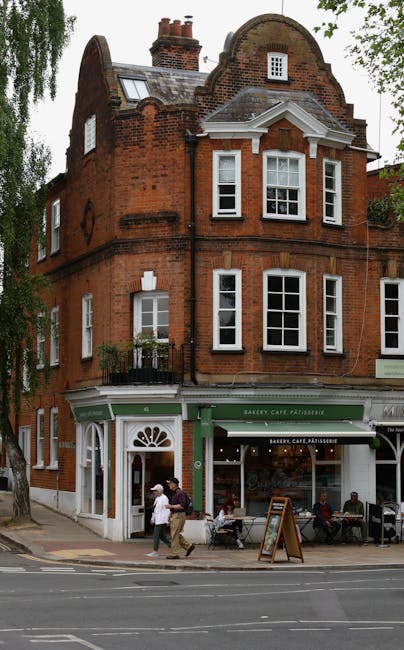
West Hampstead flats bring a mix of older conversions, purpose-built apartment blocks, mansion flats, and newer developments. Each one can have its own access quirks. One building relies on a resident to buzz someone in. Another needs a side gate code. Another has a reception desk that closes just when the cleaner arrives. Let's face it, the postcode has character, and character often means extra steps.
From a service point of view, access issues can also affect security and trust. A cleaner should not be left waiting outside with bags of equipment, guessing whether they're at the right entrance. And the customer should not be worrying about whether doors have been left unsecured after the visit. Clean access arrangements reduce that stress on both sides.
Expert summary: The best cleaning appointments are not the ones with the fanciest equipment or the longest checklist. They're the ones where arrival, entry, and exit are agreed clearly before anyone turns up.
That sounds obvious, but in real life it is where many problems begin. A 10-minute access issue can become a 40-minute disruption if the building is hard to navigate or the handover is unclear. Sometimes the cleaner is the one who loses time. Sometimes the resident does. Usually both.
How Common access problems for cleaners in West Hampstead flats Works
Access for flat cleaning usually involves three stages: arrival, entry, and circulation inside the property. Problems can happen at any stage, and often do.
Arrival access
This is the bit most people forget about. A cleaner may need somewhere to stop, unload equipment, and find the right entrance. In a busy street, especially near a station or on narrower residential roads, parking can be awkward. If a cleaner arrives in a van or with bulky tools for something like deep cleaning or after builders cleaning, that awkwardness becomes much more noticeable.
Building entry
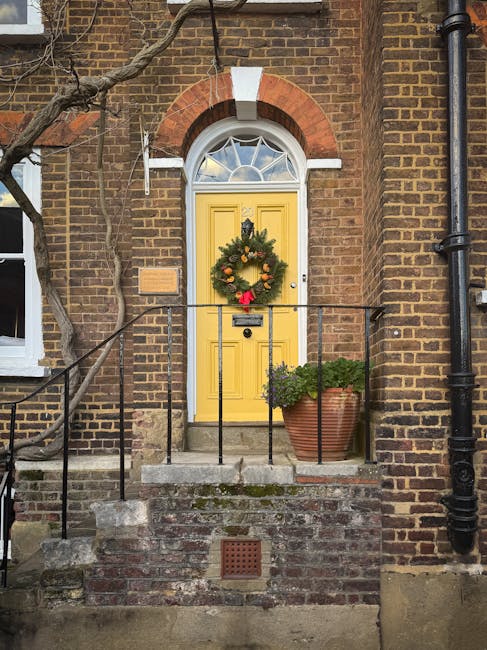
Flats often have one or more controlled entry points: a front door, communal hallway, side gate, lift lobby, concierge desk, or a shared security door. The cleaner might need a key, buzzer access, a code, or someone to meet them in person. If the instructions are vague, the cleaner may end up waiting outside with no way to confirm they are at the right place.
Flat-level access
Even after the building door opens, the flat itself can create problems. Common examples include missing keys, sticky locks, intercoms that cut out, dogs behind doors, or a resident who is not home when expected. Some cleaners can work around this if they have instructions for a secure handover. Others cannot, especially if the clean involves sensitive areas like bedrooms, a kitchen deep clean, or specialist tasks such as oven cleaning.
Internal movement
Access is not just about getting in. It is also about being able to move around the flat safely. Narrow hallways, overloaded storage areas, furniture blocking sockets, or a locked room can slow everything down. For services like window cleaning, carpet cleaning, or upholstery cleaning, clear routes matter because equipment needs space and time.
Key Benefits and Practical Advantages
Good access planning is not just about avoiding frustration. It brings practical gains that show up immediately.
- More reliable appointment times: Cleaners can start on time instead of spending the first part of the slot waiting outside.
- Better cleaning quality: When access is smooth, the cleaner can spend their energy on the job rather than on logistics.
- Lower risk of missed areas: If cupboards, rooms, or utility spaces are accessible, nothing gets skipped by accident.
- Less damage risk: Clear routes reduce the chance of bumping walls, tripping over items, or forcing awkward movement through tight spaces.
- Better security: Controlled handover procedures mean fewer lost keys, fewer mix-ups, and a clearer trail of who entered the property and when.
- Less stress for everyone: That matters more than people admit. A clean visit should feel routine, not like a small emergency.
There's also a cost angle. If access is poor, the appointment may need extra time, a reschedule, or a follow-up visit. That can affect pricing or quote accuracy, which is why it helps to review pricing and quotes early rather than waiting until the day of service.
And one more thing: strong access planning is a sign of a respectful relationship. It tells the cleaner you value their time, and it tells the resident or tenant that their home is being handled properly. Small thing. Big difference.
Who This Is For and When It Makes Sense
This topic is relevant to more people than you might expect. Access issues are not just a tenant problem, and they are not just for one-off jobs.
Homeowners and tenants
If you book domestic cleaning, regular cleaning, or one-off cleaning, you need a simple way for the cleaner to enter and leave without delay. That might be a live buzz-in, a key safe, or being at home during the first visit.
Landlords and letting agents
For end of tenancy cleaning, move out cleaning, and move in cleaning, access can be a moving target. Tenants leave keys with neighbours, agents coordinate with contractors, and handovers happen around check-out deadlines. If the access plan is not precise, the whole chain can wobble.
Short-let hosts
With Airbnb cleaning, timing is tight. Guests leave at one point, cleaners need to arrive soon after, and the next check-in may be the same afternoon. Access needs to be frictionless. No one wants a cleaner waiting at the door while fresh bedding is still in a bag downstairs. Honestly, it happens more than people think.
Building managers and portfolio owners
If you arrange communal area cleaning or cleaning across multiple flats, you need consistency. Shared entry points, lift access, and building rules all need to be written down somewhere sensible, not just remembered by one person.
When it makes sense to plan access early
- Before the first cleaning visit
- When the building has a new door system or code
- After a tenant move-out or tenancy change
- When booking specialist services such as sofa cleaning or mattress cleaning
- When the property has complex communal entry
Step-by-Step Guidance
Here is a simple process that works well in real life. It is not fancy. It just prevents the classic mess-ups.
- Confirm the exact flat and entrance. Include block name, floor number, flat number, and which door to use. If there are two entrances, say which one.
- Check how the cleaner gets in. Decide whether they will be buzzed in, given a key, met in person, or sent a code. Don't assume anything.
- Share arrival timing clearly. If the cleaner needs to be let in by someone else, make sure that person knows the window of arrival. A vague "morning sometime" is not enough.
- Confirm building rules. Some flats have reception arrangements, lift restrictions, quiet hours, or no-parking zones. If those affect access, put them in writing.
- Prepare keys, codes, or locks in advance. Test everything before the appointment. A key that "usually works" is not as good as a key that definitely works.
- Clear the route inside the flat. Move shoes, laundry baskets, and anything else that turns a hallway into an obstacle course.
- Agree exit arrangements. Who locks up? Who returns the key? What happens if the cleaner finishes early? Simple questions, but they save a lot of messages later.
For a first visit, it often helps to be present at the start. After that, a cleaner and customer may develop a routine that is easy enough to maintain. The first visit is the one to get right.
Expert Tips for Better Results
Here are the things that tend to make the biggest difference, especially in West Hampstead flats where shared access is common.
1. Write down access instructions once, then reuse them
That might sound basic, but it prevents small errors from creeping in. A note on a phone, a shared message thread, or a booking form is far better than relying on memory.
2. Keep access notes separate from cleaning notes
It helps to distinguish between "how to get in" and "what to clean." Cleaners need both, but access instructions should be easy to find quickly when they arrive outside the building in the drizzle. Which, to be fair, is half the year in London.
3. Use one main point of contact
If four different people are answering access questions, confusion is almost guaranteed. Pick one person to manage the key handover or code sharing.
4. Think about timing around other building users
Even if the cleaner has all the right instructions, a busy communal entrance or lift can slow things down. Try not to schedule cleaning at the exact same time as removals, deliveries, or building maintenance unless it is unavoidable.
5. Match the service to the access reality
A light tidy-up is not the same as a detailed clean of a newly vacated flat. If you are booking house cleaning for a lived-in flat, access can be more flexible. If you are booking deep cleaning, the cleaner may need uninterrupted access to more rooms and surfaces.
6. Be honest about awkward bits
If the lift is tiny, the stairwell is steep, or the front door sticks, say so. Cleaners can usually plan for awkward access. What they cannot plan for is being surprised by it.
Common Mistakes to Avoid
Most access problems are not caused by huge failures. They are caused by small omissions that pile up.
- Assuming a door code is still active. Codes change, sometimes without much warning.
- Forgetting to mention a concierge schedule. A cleaner can arrive exactly on time and still be unable to enter.
- Leaving keys in an unclear place. "Under the mat" is not a system.
- Not telling the cleaner about pets. Even friendly pets can delay entry, especially if they are excitable at the door.
- Using vague language about the entrance. "Front door" may mean one thing to you and something else entirely to the cleaner.
- Expecting silent problem-solving. If there is an issue, say it early. Don't wait until the cleaner has already arrived and is standing in the hall wondering what next.
- Booking specialist services without thinking about access needs. Heavy equipment for carpet cleaning or delicate handling for upholstery cleaning often requires more space and better entry planning.
One more common slip: people forget that cleaning is a job with a beginning and an end. The end matters. If the cleaner cannot lock up confidently, the whole arrangement feels unfinished.
Tools, Resources and Recommendations
You do not need a giant system to manage access properly. A few small tools do most of the work.
- Access note template: A simple written note with entrance details, flat number, contact person, code, and key return instructions.
- Key label or key log: Useful when multiple people handle access, especially in rented flats or managed buildings.
- Shared message thread: Handy for confirming arrival and flagging delays, though it should not replace proper written instructions.
- Booking details sheet: Useful for recurring cleans where the same routine happens each week.
- Building handbook or resident instructions: If your block has one, keep the access section updated whenever the building changes its rules.
If you are comparing providers or arranging a more specialist visit, it is sensible to check service expectations in advance. For example, a regular cleaning arrangement may work well with simple key access, while a one-off cleaning job often benefits from someone being present at the start. For businesses and landlords, commercial cleaning or larger property work may need a more formal access routine altogether.
If you want to understand the company side of things, the pages on about us, health and safety policy, insurance and safety, and recycling and sustainability can help you get a feel for working standards and expectations.
Law, Compliance, Standards, or Best Practice
For flat cleaning, the most important point is not to overcomplicate the legal side. There is no need to turn an access arrangement into a mini-contract law seminar. Still, there are sensible UK best-practice principles to follow.
First, access information should be shared carefully. If a cleaner needs a code, key, or building entry method, it should be given only to the people who genuinely need it. That is basic privacy and security practice.
Second, if keys are being held by a cleaner or a company for repeated visits, there should be clear understanding around storage, return, and responsibility. The same applies to codes and fobs. Vague arrangements are where disputes usually start.
Third, building rules matter. Some blocks in West Hampstead have their own policies on deliveries, access, use of lifts, or contractor entry. If your cleaner needs to work around those rules, make sure they are informed before arrival. That is especially relevant for shared entrances and communal area cleaning.
Fourth, safety comes first. If access conditions are unsafe - for example, a broken stair light, an unsecured entrance, or a blocked hallway - the job may need to be paused until it is safe to continue. That is not awkwardness, that is common sense.
Finally, if you are a landlord, agent, or host, document the access process. Not because it is dramatic, but because it stops handover confusion later. A tidy process is a protected process. Simple as that.
Options, Methods, or Comparison Table
There is no single best access method for every flat. The right choice depends on how often cleaning happens, how secure the building is, and whether someone is usually home.
| Access method | Best for | Pros | Watch-outs |
|---|---|---|---|
| Resident buzz-in | Occupied flats, regular visits | Simple, familiar, low admin | Relies on someone being available at the right time |
| Key handover | Regular cleaning, move-related cleans | Cleaner can enter without delay | Needs secure storage and clear return process |
| Meet-and-greet entry | First visits, short-let turnovers | Good for introductions and instructions | Requires tight timing and clear punctuality |
| Building code or fob access | Managed blocks, repeated appointments | Efficient once set up | Codes can change; fobs can be misplaced |
| Concierge or reception access | Developments with staffed entry | Helpful where available | Limited by reception hours and staff procedure |
For many West Hampstead flats, a mix works best. A cleaner might be buzzed in for the first visit, then use a secure key arrangement after that. Or the resident might stay home for the first clean and move to unattended access later. There is no prize for making it complicated.
Case Study or Real-World Example
Here's a very ordinary example, which is exactly why it is useful. A tenant in a converted flat near West Hampstead books a end of tenancy cleaning appointment for the morning before check-out. The flat itself is fine, but the building has two entrances, one of which is rarely used. The cleaner is told "front door access is easy," which turns out to mean easy if you already know the side street entrance, the buzzer label, and the code for the lobby.
When the cleaner arrives, they wait outside for ten minutes, then call the contact number. The tenant has already left. The agent is on another site. The cleaner eventually gets in, but by then half the slot has gone. That creates pressure, and pressure rarely improves cleaning quality.
Now compare that with the same appointment handled properly. The day before, the tenant sends the exact entrance, flat number, buzzer name, and key handover instructions. The cleaner knows there are two doors and which one to use. A spare key is left with a named person in the building, and the cleaner starts on time. The job still takes effort, because end-of-tenancy work always does, but the whole visit feels calmer and more professional. Very different feel.
That is the real lesson: good access planning does not just save time. It protects the quality of the clean and the confidence of everyone involved.
Practical Checklist
Use this checklist before your next flat cleaning visit. It saves hassle, honestly.
- Confirm the exact building name, street entrance, and flat number
- Check whether the cleaner needs a key, code, fob, buzzer, or escort
- Test the access method the day before if possible
- Tell the cleaner about any concierge hours or reception rules
- Share parking or unloading details if they matter
- Move obstacles away from the entry path inside the flat
- Tell the cleaner about pets, alarms, or noisy building systems
- Agree who locks up and how keys are returned
- Keep one contact person available during the appointment window
- Let the cleaner know if anything changes, even at short notice
If you are booking specialist work, it also helps to look at the relevant service page first. For example, window cleaning, oven cleaning, and carpet cleaning may each need slightly different access preparation. That little bit of planning goes a long way.
And if the place is especially tight or awkward, say so upfront. A cleaner would rather hear "the hallway is narrow" than discover it while balancing equipment by the door.
Get a free quote today and see how much you can save.
Conclusion
Common access problems for cleaners in West Hampstead flats are usually not dramatic, but they are important. The building entry, the handover, the key arrangement, and the route inside the flat all shape how well the job goes. When access is clear, cleaning feels calm and efficient. When it is not, even a simple visit can become awkward fast.
The good news is that most issues are easy to prevent with a bit of forethought. Clear instructions, one point of contact, secure key handling, and honest communication will solve most of the trouble before it starts. Not every flat is easy, of course. Some are a bit of a faff. But with a sensible setup, the whole process becomes much smoother.
And that is what most people really want: a clean home, a fair process, and no last-minute scrambling. A bit of order makes everything easier.
Frequently Asked Questions
What are the most common access problems for cleaners in West Hampstead flats?
The most common issues are locked communal doors, missing or outdated codes, unclear buzzer labels, delayed key handovers, and residents not being available at the agreed time.
How can I make flat access easier for a cleaner?
Give the exact entrance details, confirm the access method, keep one contact person available, and test keys or codes before the appointment. Clear instructions make the biggest difference.
Should I be home when the cleaner arrives?
For a first visit, yes, that is usually helpful. After that, many people move to unattended access once the routine is established and everyone is comfortable with it.
What if my building has two entrances?
Specify which entrance to use and, if needed, include nearby landmarks or door labels. "Front door" is often too vague in a flat block, especially in older conversions.
Do cleaners usually need a key for regular cleaning?
Sometimes they do, especially for recurring visits when the resident is out. If keys are used, there should be a clear handover and return process.
How do access issues affect cleaning time?
They can shorten the time available for actual cleaning, particularly if the cleaner waits outside or has to work around confusing building entry. That can affect quality and coverage.
What should I tell a cleaner about my flat before the appointment?
Tell them about the entrance, flat number, access method, pets, parking, lifts, and any awkward features like narrow corridors or a tricky lock.
Are access problems more common with move-out or end-of-tenancy cleans?
Yes, often they are. Those jobs usually involve tighter timelines and a chain of handovers between tenants, agents, and landlords, so details can get lost if nobody is careful.
Can a cleaner work around broken intercoms or unreliable buzzers?
Sometimes, but only if there is a backup plan. A broken intercom without a second option can cause delays or a missed appointment.
Do access problems matter for services like carpet or sofa cleaning?
Absolutely. Specialist equipment can be heavier, bulkier, or slower to move, so a clear route into the flat matters even more for those services.
What is the safest way to handle keys?
Use a clear handover process, keep track of who has the key, and make sure the return arrangement is agreed in advance. Security should be simple and traceable.
What should I do if access changes at the last minute?
Let the cleaner know as soon as possible and give the new instructions clearly. Last-minute changes are manageable if they are communicated early, but they become messy if left until arrival.
Do communal area rules affect cleaning access?
Yes. Shared entrances, reception procedures, lift use, and building restrictions can all affect how a cleaner enters and moves around the property.
Where can I find more information about your service standards?
You can review the pages on about us, health and safety policy, insurance and safety, and terms and conditions to understand how service arrangements are handled.
If something still feels unclear, that is usually the sign to ask one more question before the visit, not after. A minute of clarity now can save a whole lot of faff later.