Camden Council rubbish disposal rules for cleaning companies: a practical guide for staying compliant
If you run a cleaning business in Camden, waste handling is not a side task you sort out later. It affects your reputation, your legal risk, your pricing, and the way clients judge your professionalism. The reality is simple: Camden Council rubbish disposal rules for cleaning companies can shape how you bag waste, separate recyclable material, move bulky items, and decide when a job needs a licensed waste carrier rather than a standard collection approach. Miss the details and you can create avoidable mess, complaints, or even a compliance headache that costs far more than the job was worth.
This guide breaks the topic down in plain English. You will see what the rules mean in practice, what cleaning teams should do on domestic, commercial, and end-of-tenancy jobs, and how to build a waste routine that is tidy, lawful, and easy to explain to clients. It is practical, not theoretical. Because let's face it, nobody wants to finish a deep clean and then get stuck staring at three bags of waste, a broken mop head, and a mystery bag of old food waste in the hallway at 7.30 pm.
For teams that want to operate cleanly as well as clean homes, it helps to align waste handling with broader service standards too. You may find it useful to review the company's recycling and sustainability approach alongside the operational basics in this article, and for public-facing policies such as safety and service terms, the pages on health and safety and terms and conditions can also help build trust.
Table of Contents
- Why Camden Council rubbish disposal rules for cleaning companies matters
- How Camden Council rubbish disposal rules for cleaning companies works
- Key benefits and practical advantages
- Who this is for and when it makes sense
- Step-by-step guidance
- Expert tips for better results
- Common mistakes to avoid
- Tools, resources and recommendations
- Law, compliance, standards, or best practice
- Options, methods, or comparison table
- Case study or real-world example
- Practical checklist
- Conclusion
- Frequently Asked Questions
Why Camden Council rubbish disposal rules for cleaning companies Matters
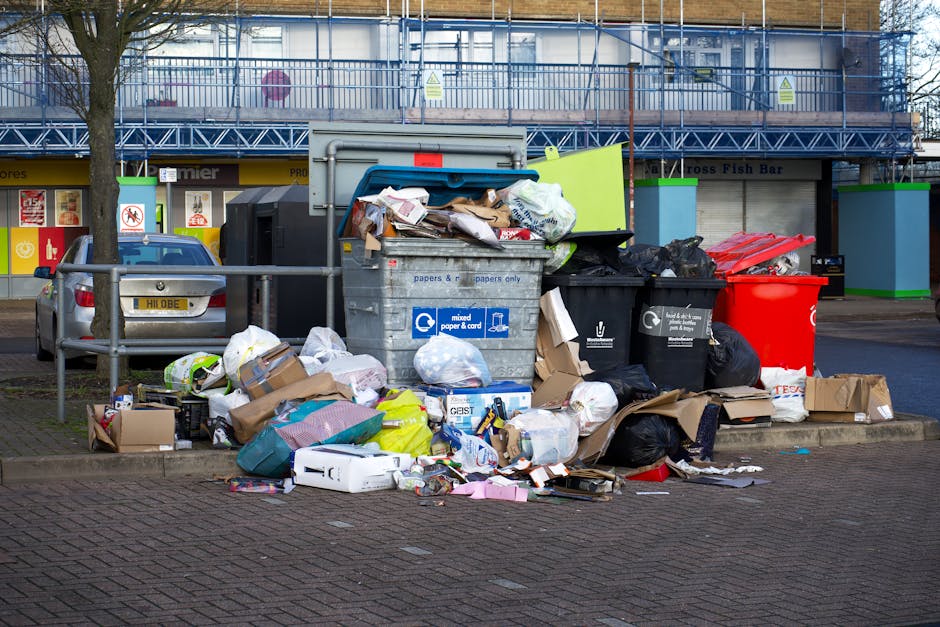
Waste rules matter because cleaning work creates waste that is often more varied than people expect. One job might produce black bag rubbish, bottles, cardboard, food packaging, disposable cloths, vacuum contents, and a pile of bathroom waste. Another might include broken fittings, old tenant belongings left behind, or post-renovation debris. If those materials are not handled properly, the risk is not just an untidy van. It is missed collection, fly-tipping concerns, and possible breaches of local waste expectations.
For cleaning companies, Camden Council rubbish disposal rules are especially relevant in three everyday situations. First, when rubbish is left behind by a client and the team is asked to clear it. Second, when a job creates waste that must be removed from the property rather than left in bins. Third, when work takes place in shared buildings where bin store access, collection times, and recycling separation all matter. In other words, the cleaner is not just cleaning surfaces; they are managing part of the property's waste journey.
There is also a commercial angle. Clients notice whether waste is handled neatly. A good finish includes crisp bin liners, clear separation of recyclable waste, and no stray packaging sitting around. In our experience, waste handling can be the difference between a one-off booking and a repeat customer. It sounds small. It often is not.
Expert summary: For cleaning companies in Camden, rubbish disposal is not only about tidiness. It is a mix of legal duty, client care, operational efficiency, and local common sense.
How Camden Council rubbish disposal rules for cleaning companies Works
At a practical level, a cleaning company needs to think about four layers of waste handling: what the waste is, where it came from, who owns it, and how it should leave the site. That sounds formal, but it keeps things straight. A cloth with dust on it is not treated the same way as leftover paint tins, and an ordinary household bin is not the same as a load of mixed rubble after an after-builders clean.
For routine cleaning jobs, most waste is minor and can be placed in the client's bins if the client agrees and local bin arrangements allow it. That may include packaging, general dirt, and disposable cleaning materials. But if the waste volume is unusually high, if the bins are already full, or if the rubbish is clearly beyond normal household waste, the cleaner should stop and ask what the agreed disposal process is. That is where written job notes help. A quick note on whether waste removal is included can prevent an awkward conversation later.
For larger or non-routine waste, the business may need a more formal disposal route. That usually means working with the right waste collection arrangements, keeping transfer paperwork where required, and making sure waste is taken by an authorised person or operator. A cleaning company should never assume that because a bag is sealed, it is automatically fine. That is not how it works. The burden of care matters.
Camden properties can also create practical restrictions. Flats may have bin stores with coded access. Office buildings may have concierge procedures. Some managed blocks set specific collection rules for recycling and refuse. If the cleaner turns up at the wrong time, or leaves bins in the wrong place, the waste can become a building management issue very quickly. A little early planning saves a lot of frustration.
If your work includes commercial premises or communal blocks, it is worth aligning waste handling with the wider service model described on the commercial cleaning and communal area cleaning pages. Those jobs often need more coordination than domestic cleans, even when the surfaces look straightforward.
Key Benefits and Practical Advantages
Following rubbish disposal rules properly is not just about avoiding trouble. It improves the way a business runs day to day. The benefits are practical and immediate.
- Fewer complaints: Clients are less likely to complain if rubbish is removed or left exactly as agreed.
- Cleaner handovers: A property looks properly finished when waste is dealt with, not hidden behind a door.
- Lower compliance risk: Clear waste routines reduce the chance of mistakes around disposal, storage, and transport.
- Better job pricing: When waste is assessed correctly, you avoid underquoting awkward clear-up work.
- Improved team discipline: Staff work faster when they know exactly which waste goes where.
- Stronger sustainability credibility: Recycling and sorting practices make your business look more thoughtful and modern.
There is another advantage that often gets overlooked: confidence. A cleaner who understands rubbish disposal rules can answer client questions calmly, without hedging or improvising. That matters in a city like London where people are quick to spot sloppiness. A tidy process gives a tidy impression.
For businesses that want to strengthen their environmental message, waste handling should sit alongside a broader sustainability plan. A visible commitment to separating recyclables, reducing single-use material, and avoiding unnecessary landfill use can support the same principles described in the recycling and sustainability information. It is not flashy. It is simply good practice.
Who This Is For and When It Makes Sense
This topic matters to any cleaning company working in or around Camden, but it becomes especially important in the following scenarios:
- Domestic cleaning teams who regularly deal with packaging, bathroom waste, kitchen scraps, and minor clear-outs.
- End-of-tenancy cleaners who may find abandoned items, broken hangers, food waste, and unwanted household clutter.
- After builders cleaners dealing with dust bags, offcuts, protective film, and occasional rubble-type debris.
- Office cleaners who must handle paper, cardboard, food containers, and bin-room procedures in managed buildings.
- Move-in and move-out cleaners who often need to work around what the previous occupier left behind.
- Airbnb and short-let cleaners who need fast turnaround, clear bin management, and zero mess in shared spaces.
The rules make sense whenever waste moves beyond "normal tidy-up" and into "what exactly are we allowed to put out, and when?" If that question crosses your mind, you are probably in the territory where a defined process is needed.
For example, if a tenant leaves behind a couple of rubbish sacks and some broken household items, an end-of-tenancy job may require more than standard domestic cleaning. That sort of job often overlaps with end of tenancy cleaning or, in some cases, move out cleaning. The cleaner's role is to restore the property. The waste still needs to leave properly.
Step-by-Step Guidance
Here is a straightforward way to handle rubbish disposal as a cleaning company in Camden without overcomplicating it.
- Identify the waste type before you start. Separate general rubbish, recycling, food waste, sharp items, bulky items, and anything potentially hazardous.
- Confirm who is responsible for removal. Is the client keeping the waste? Are you removing it as part of the job? Is a separate service needed? Get this clear early.
- Check the property's bin arrangement. In flats and managed buildings, access rules and collection timing can be more important than the waste itself.
- Keep waste segregated where possible. Cardboard, plastics, glass, and general rubbish should not be mixed casually if recycling is part of the building's system.
- Bag and secure waste properly. Overfilled bags split. Split bags create mess. Mess creates complaints. It is a very boring chain reaction, but it happens all the time.
- Move rubbish to the agreed location only. That could be the client's bin store, an external collection point, or a pre-arranged removal route.
- Record anything unusual. If the property contains bulky waste, broken glass, suspected pests, or abandoned items, make a note and tell the client before leaving.
- Review the job afterwards. What was easy? What caused delays? Update your internal checklist so the next visit runs smoother.
A small operational note: if a team member is unsure whether something can be disposed of in the normal way, they should pause and ask. It is much cheaper to ask than to guess. That is one of those truths nobody loves, but it saves time in the long run.
Useful split between everyday and non-routine waste
| Waste type | Typical examples | Usual handling approach |
|---|---|---|
| Routine domestic waste | Dust bag contents, packaging, wipes, general rubbish | Bag securely and use agreed household or building bins if permitted |
| Recyclable material | Cardboard, bottles, clean containers | Sort separately where the site provides recycling facilities |
| Bulky waste | Old furniture, broken appliances, large abandoned items | Usually needs prior agreement and a proper removal route |
| After-builders debris | Plaster dust, offcuts, wrapping, small rubble | Check the service agreement and disposal method before the job starts |
| Potentially hazardous waste | Broken glass, chemicals, sharps, contaminated materials | Handle with extra care and follow the safest available process |
Expert Tips for Better Results
Good waste management is often about the little things. Here are the things that, in practice, make the biggest difference.
- Build waste questions into the quote stage. A two-line question about rubbish volumes can save a half-hour argument later.
- Keep a "do not assume" rule for unusual items. Old paint, chemicals, needles, batteries, and broken electricals should never be treated like regular rubbish.
- Use separate bags or tubs in the van. Mixing everything together makes sorting harder and increases the chance of the wrong item ending up in the wrong place.
- Train staff on bin-store etiquette. In apartment buildings, noise, timing, and access rules matter. Nobody likes a cleaner who rattles bin lids at 6 am.
- Photograph unclear waste situations where needed. A quick picture for office records can help resolve later disputes about what was found on site.
- Match the waste plan to the service type. A routine weekly clean is very different from an after-builders or deep clean. The disposal process should reflect that.
Another tip: keep your paperwork simple but consistent. You do not need a mountain of admin for every household clean, but you do need a repeatable system. A job note, a disposal note, and a quick client confirmation can go a long way.
If your team also handles more demanding jobs, such as after builders cleaning or deep cleaning, the waste process should be more structured from the beginning. That is where waste planning stops being a nice extra and becomes part of the service itself.
Common Mistakes to Avoid
Most waste problems in cleaning businesses are not dramatic. They are ordinary mistakes repeated often enough to become expensive. The usual ones are easy to spot once you know them.
- Assuming the client's bins are available. They may already be full, locked, or reserved for another purpose.
- Leaving mixed waste in communal areas. Even for a short time, it can cause complaints from neighbours or building managers.
- Underestimating the volume. A "small amount of waste" can grow fast once cupboards, skirting corners, and hidden surfaces are cleared.
- Ignoring special items. Batteries, cleaning chemicals, sharps, and electricals need attention rather than convenience.
- Failing to confirm responsibility. If you do not know whether disposal is included, someone is going to be unhappy later.
- Using the wrong bag strength. Thin bags split, especially with damp or sharp waste. Then everyone gets annoyed and the hallway looks like a bad Monday.
A lot of this comes down to poor communication. A cleaner might think, "It's just a bag of rubbish," while the client expects full removal. Or the client may assume recycling is included automatically. Those assumptions are where trouble starts. Clear wording at the booking stage prevents most of it.
Tools, Resources and Recommendations
You do not need fancy equipment to handle rubbish properly. You do need the right basics and a routine that staff can actually follow.
- Heavy-duty sacks: Useful for mixed waste, damp waste, and jobs where bags are likely to be moved multiple times.
- Colour-coded or labelled containers: Helpful for separating recycling, general waste, and special waste on larger jobs.
- Disposable gloves and hand hygiene supplies: Standard on most cleaning jobs, especially when touching bins or unknown waste.
- Simple job sheets: Best for noting what waste was found and what was agreed about disposal.
- Client-facing service notes: A short written note in the booking confirmation helps avoid disputes.
- Vehicle separation zones: Even a small van benefits from a clear place for rubbish, tools, and clean stock.
For operational trust, businesses should also make sure their general policies are easy to understand. Pages such as about us, insurance and safety, and pricing and quotes help show that the business is organised, transparent, and not making things up as it goes along. That matters more than many companies realise.
Law, Compliance, Standards, or Best Practice
Without drifting into legal advice, it is fair to say that cleaning companies should treat waste as a compliance issue, not just an operational chore. In the UK, businesses generally have duties around the safe handling and transfer of waste, and local council expectations can influence what is acceptable at the property level. That means a cleaning team should be able to explain what they are doing, who is responsible for disposal, and how waste is being kept secure until it leaves the site.
Best practice usually includes the following:
- keeping waste under control and preventing it from becoming a nuisance
- separating recyclable materials where reasonably possible
- not leaving rubbish in shared corridors, front gardens, or pavements without proper arrangement
- ensuring any waste removal arrangement is appropriate to the job type
- training staff so they know the difference between normal rubbish and specialist waste
For cleaning businesses working in residential blocks, the building's own rules can be just as important as council guidance. A landlord or managing agent may have stricter instructions than the minimum. For that reason, it is smart to align waste handling with service terms and health and safety rules rather than treating it as a side note. If your team covers regular domestic or house visits, the domestic cleaning and house cleaning pages can help anchor the service message around tidy, predictable standards.
Options, Methods, or Comparison Table
Different cleaning jobs need different waste-handling methods. The right choice depends on scale, access, and what the rubbish actually is.
| Method | Best for | Pros | Watch-outs |
|---|---|---|---|
| Use the client's standard bins | Routine domestic cleaning | Simple, low-cost, quick | Only works if bins are available and the waste is suitable |
| Separate waste for building recycling points | Flats, offices, managed sites | Supports good recycling practice | Needs knowledge of site rules and access |
| Pre-arranged waste removal | End-of-tenancy, decluttering, bigger cleans | Clear responsibility and fewer surprises | Must be priced properly and organised in advance |
| Specialist handling for unusual items | Hazardous or awkward waste | Safer and more controlled | Needs caution and sometimes extra time |
If you are unsure which approach fits a particular booking, use the method that creates the least risk and the clearest record. Simple is often best. Not always, but often. And in Camden, where access can be tight and bin arrangements vary street by street, simplicity is usually your friend.
Case Study or Real-World Example
Imagine a small cleaning team arriving at a two-bedroom flat near a busy Camden high street for a move-out clean. The property looks manageable at first. Then the team discovers a full kitchen bin, two broken storage boxes, several bags of mixed waste, and a pile of cardboard tucked behind the bedroom door. Nothing extreme, but enough to complicate the job.
Because the team asked the right questions earlier, they already know the waste is part of the agreed scope up to a limited point, and anything beyond that must be flagged. They separate the cardboard from the general rubbish, confirm the bin store access window with the building manager, and photograph the extra bags before moving them. The client is told clearly what was found and what was removed. No drama. No guesswork. The handover is calm, and the flat looks finished rather than merely tidied.
Now compare that with a rushed version of the same job. Bags are left in the hallway because the bin store is locked. Cardboard is mixed with general waste. The building manager complains. The client is surprised by an extra disposal discussion. Same flat, same day, totally different outcome. That is why waste process matters so much. It is the invisible part of a clean that people absolutely notice when it goes wrong.
Practical Checklist
Use this checklist before, during, and after cleaning jobs in Camden where waste might need attention.
- Have we confirmed what rubbish disposal is included in the quote?
- Do we know whether the property has separate recycling, general waste, or food waste bins?
- Is the waste routine domestic waste or something bigger?
- Have we identified anything sharp, chemical, electrical, or otherwise unusual?
- Are bags strong enough for the contents and the distance they must be carried?
- Do we know where the waste can legally and practically go?
- Are communal areas, hallways, and pavements being kept clear?
- Has the client been told about any extra waste that was not expected?
- Are staff wearing appropriate gloves and following hygiene basics?
- Has the job been noted properly for records and future reference?
Quick takeaway: if a cleaner can answer those ten questions confidently, they are already ahead of the average. That alone can prevent a lot of needless fuss.
Conclusion
Camden Council rubbish disposal rules for cleaning companies are really about one thing: doing the job properly from start to finish. Cleaners who handle waste well are easier to trust, easier to work with, and less likely to run into problems with clients, buildings, or disposal expectations. The best approach is usually the calm, organised one. Know what the waste is, agree who handles it, keep it separated where possible, and never assume a bin or collection route is available until you have checked.
That may sound basic, but basic done well is a real advantage. It keeps a job moving, protects your staff, and gives the client a finish that feels complete. And honestly, that final impression matters. A lot.
If you are refining how your business handles waste alongside wider service delivery, it may also help to review related pages such as regular cleaning, one-off cleaning, or window cleaning to keep your service standards consistent across different job types.
Get a free quote today and see how much you can save.
Frequently Asked Questions
Can cleaning companies put rubbish in Camden household bins?
Sometimes, yes, but only if the waste is suitable, the client agrees, and the property's bin arrangement allows it. If the waste is more than ordinary domestic rubbish, or the bins are full, you need a different plan.
What counts as normal cleaning waste?
Normal cleaning waste usually includes dust, dirt, packaging, disposable wipes, and light refuse from the job. It does not automatically include bulky items, electricals, chemicals, or abandoned possessions.
Do end-of-tenancy cleans usually include rubbish removal?
Not always. Some do, some don't. It should be clearly agreed before the job starts. If the tenant has left a lot behind, that may need a separate arrangement or a wider scope of work.
What should a cleaner do with broken glass or sharp items?
Handle them carefully, isolate them from general waste, and use a safer disposal method than a standard bag wherever possible. Staff should never reach into unknown rubbish with bare hands. That's just asking for trouble.
Are cleaning companies responsible for recycling in Camden?
If the job includes waste handling, cleaners should follow the property's recycling arrangements where reasonable and practical. The exact responsibility depends on the agreement, the building setup, and what the client expects.
How can a cleaning company avoid disputes about rubbish disposal?
By confirming responsibility in writing, asking about bin access in advance, and noting any unusual waste found on site. A short message before the job can prevent a long complaint later.
What if the client asks cleaners to take away extra rubbish?
That should be treated as an extra service unless it was already included. The team should check whether the waste can be removed safely and lawfully, then agree the cost and method before acting.
Does after builders cleaning create special waste issues?
Yes, often it does. After-builders work can produce dust, offcuts, wrapping, and debris that needs more careful handling than a standard house clean. The disposal process should reflect that. After builders cleaning is a good example of a service where waste planning matters from the start.
What is the safest way to manage waste in communal buildings?
Follow the building's instructions, keep bags secure, avoid leaving waste in shared corridors, and move items only through agreed routes and times. In communal buildings, respect is half the job. Maybe more.
Should cleaning teams keep records of waste disposal?
Yes, especially for larger jobs or any task involving non-routine waste. A basic record of what was removed, what remained, and what the client approved can be very useful if questions come up later.
Do regular domestic cleans need a waste checklist?
Yes, even a short one helps. Regular cleaning may produce small amounts of waste each visit, and a checklist keeps staff consistent. It also helps new team members learn the process quickly.
What is the biggest mistake cleaning companies make with rubbish disposal?
Probably assuming all waste can be dealt with in the same way. It cannot. Different jobs produce different waste, and Camden properties can vary a lot in access, bin rules, and collection timing. A little judgment goes a long way.
If you are building out your service offer and want a more complete operation, it can also be helpful to look at the related pages for move in cleaning, move out cleaning, and end of tenancy cleaning, because those jobs are where rubbish handling tends to get tested in the real world.